Ashvattha
अश्वत्थ
Ficus religiosa L.
Moraceae · Ficus
Benefits & side effects
TRADITIONAL VIEW, WITH SAFETY LIMITS
Hindi name: Peepal
What the texts say Ashvattha does
- Grahi — digestive that absorbs excess fluid and binds the stool
- Vranaropana — heals wounds
- Raktastambhana — checks bleeding (haemostatic)
- Varnya — improves complexion
- Dahaprashamana — relieves burning
What the evidence says. The sacred fig has been studied in laboratories and animals far more than in people; a 2021 review found no human trial.
Side effects and limits
- Constipation from the tannins
- Digestive upset
- Skin irritation from the latex
Avoid or ask first: No absolute contraindication for sacred-fig bark appears in the sources consulted; this is written in deliberately rather than left empty.
A traditional classification, not a recommendation. The full safety record is below.
Stands in 2 groups
- Mutrasangrahaniya — Binding the urine (named there as Ashwattha)
- Nyagrodhadi — Wounds, burns, Pitta, and Prameha
A Samhita can only be read forwards, from the group to its members. This is the same list read backwards.
Photographs
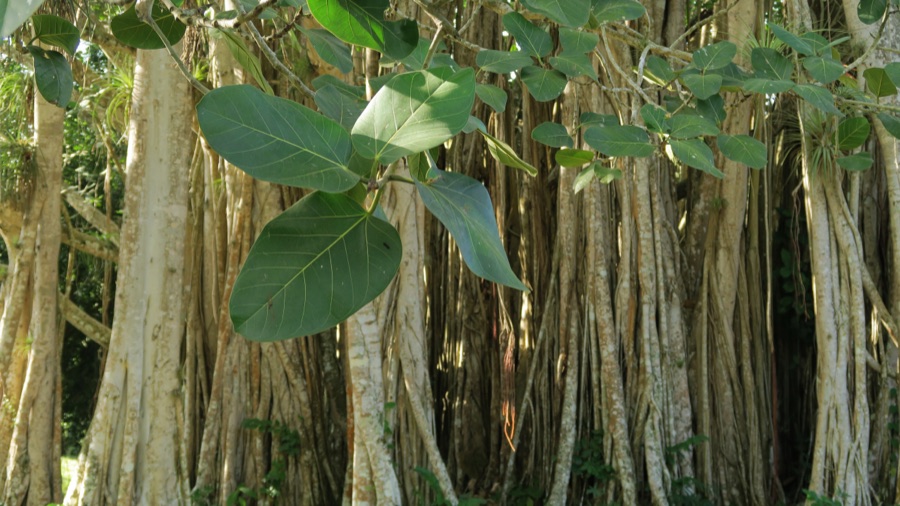
Photo: Burkhard Mücke · CC BY-SA 4.0 · Wikimedia Commons

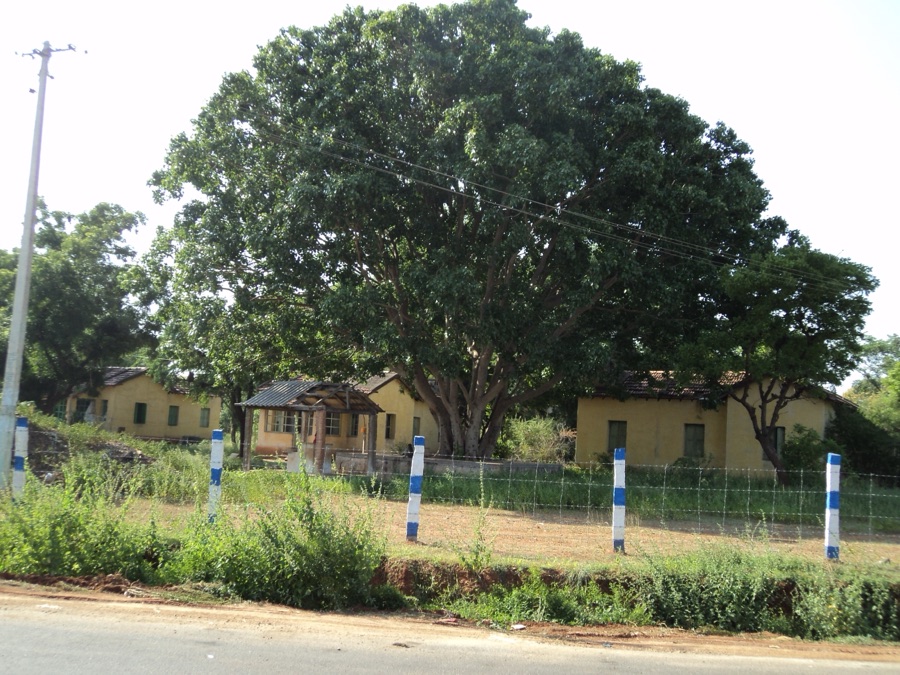
Photo: தகவலுழவன் · CC BY-SA 3.0 · Wikimedia Commons

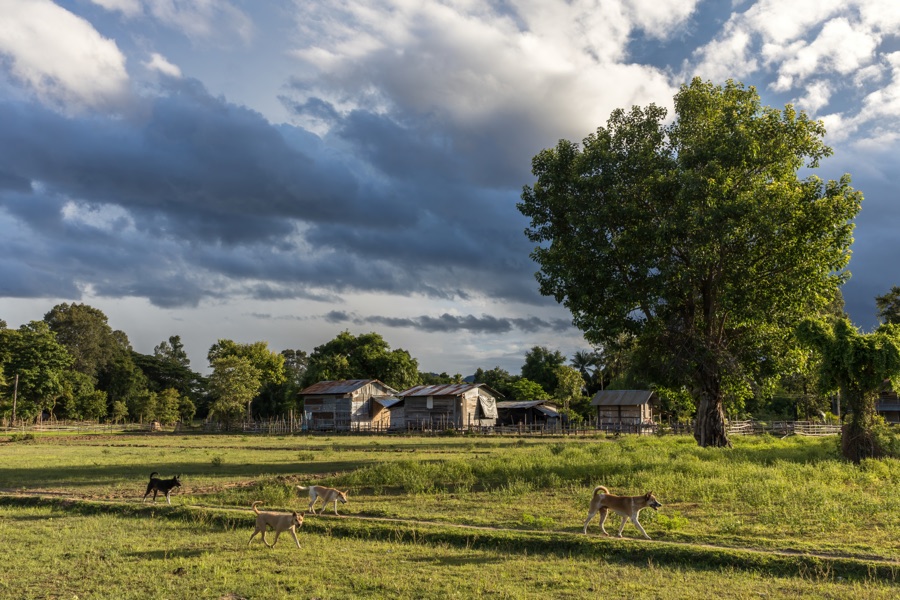
Photo: Basile Morin · CC BY-SA 4.0 · Wikimedia Commons

Matra and anupana
AS THE CLASSICAL TEXTS AND THE API PRESCRIBE
| Twak kwatha | 50–100 ml |
| Churna | 3–6 g |
| Anupana | Madhu · Ushnodaka |
| Kala | Adhobhakta |
Ashvattha is usually given as one bark of the Kshiri Vriksha group or of Panchavalkala, and as a wash or local paste as often as by mouth.
Reported from Sharangadhara Samhita and the Ayurvedic Pharmacopoeia of India. Laisha states what the texts prescribe; it does not recommend. No quantity here is adjusted for a particular person — not for agni, koshtha, bala, age, pregnancy, kidney or liver function, or anything already being taken.
Rasapanchaka
| Rasa | Kashaya |
| Guna | GuruRuksha |
| Virya | Sheeta |
| Vipaka | Katu |
| Prabhava | No unique prabhava is recorded. The texts use ashvattha mostly inside the milky-tree group and Panchavalkala, and Charaka's gynaecology chapter names it only as one of those five barks. |
| Doshakarma | Lowers pitta and kapha. Being heavy and dry, it is said to increase vata if overused, which is the standard caution with astringent barks. |
Bhavaprakasha gives ashvattha a single kashaya rasa, sheeta virya and katu vipaka — the same triad as banyan and plaksha, so classification alone does not separate them.
Karma and part used
Varnya, improving the complexion, and dahaprashamana, relieving burning, are the actions most often linked with this tree in later Ayurvedic writing. Like the rest of the list they are the tradition's statements, not results observed in people.
| Upayukta anga | Twak (the stem bark) Patra (the leaf) Phala (the fruit) |
| Why it matters | Stem bark is the classical article. The leaf, the small paired figs and the tender shoots are used separately, and the latex is collected but mostly for external use. |
Paryaya
Chaladala, the trembling-leaved, is a field mark: the drip-tip and slender petiole keep the leaf moving. Bodhivriksha remembers the Buddha's awakening beneath it, and Yajniya its place in Vedic fire ritual. Pippala is a trap for students, since the same word and its feminine pippali name long pepper, Piper longum; a text's context, not the word, decides which is meant.
Names, by language
| English | Sacred fig |
| Sinhala | Bodhiya |
| Nepali | Pipal |
| Hindi | Peepal |
| Kannada | Arali mara |
| Tamil | Arasu |
| Telugu | Ravi |
| Malayalam | Arayal |
| Marathi | Pimpal |
| Gujarati | Pipalo |
| Bengali | Ashwattha |
| Punjabi | Pipal |
| Odia | Aswatha |
| Urdu | Peepal |
Classical references
Ashvattha's qualities are cited to the Bhavaprakasha Nighantu, and its memberships to Sushruta Sutrasthana 38 and Charaka Sutrasthana 4. Its only appearance in Charaka's gynaecology chapter is through Panchavalkala, and the entry says so rather than inventing a separate use.
Formulations it appears in
| Nyagrodhadi Kwatha | Sacred-fig bark is the third tree in this group decoction. |
| Nalpamaradi Taila | An external oil based on fig-tree barks, of which the sacred fig is one. |
Adulterants and substitutes
Unlike plaksha, ashvattha's identity is not in doubt, so the substitution question is mostly about source. Because the tree is sacred and rarely felled, bark is often stripped from roadside and town trees and may carry traffic dust, soot and soil metals; bark of other figs is also mixed in when demand rises. In older texts the word pippala can refer to the fig or, in the feminine, to long pepper, and a mistaken reading substitutes a pungent fruit for an astringent bark.
Identity
Ficus religiosa, the sacred fig or peepal, confirmed against the GBIF backbone on 28 September 2026 at 99 per cent confidence. It is the Kshiri Vriksha that needs no botanist: the heart-shaped leaf ends in a long, narrow tail, and on a long, flexible stalk it flutters when the air seems still. It is the Bodhi tree of Buddhism, widely planted at temples and shrines across South and Southeast Asia.
A WAY TO REMEMBER IT
Ficus is the Latin fig. Religiosa needs no translation — this is the tree the Buddha sat under, and the epithet records that.
What the tradition holds
The sacred fig is one of the trees of Sushruta's Nyagrodhadi gana and of Charaka's Mutrasangrahaniya group, and its bark is one of the five barks of Panchavalkala used for wounds and washes. Outside medicine it is among the most venerated trees of Hindu and Buddhist practice. This is a record of tradition, not evidence of an effect.
Constituents. Bark tannins dominate. A 2021 review names leucopelargonidin glycosides, lupeol acetate, alpha-amyrin acetate, lanosterol, beta-sitosterol, stigmasterol, and the furocoumarins bergapten and bergaptol among the bark compounds.
What the evidence says
| Status | The sacred fig has been studied in laboratories and animals far more than in people; a 2021 review found no human trial. |
| Suggested | Leaf and bark extracts have been examined in cell and rodent experiments, and rodent toxicity work with a leaf extract reported no deaths. Health Canada's compendium recognises some Ayurvedic ingredients for traditional claims, reflecting a documented tradition rather than clinical proof. |
| Not established | No effect of ashvattha bark on any human health condition has been established, and results in rats are not a guide to what a person taking a decoction will experience. |
| The honest gap | Studies usually test leaves or a single solvent extract, while the classical article is the bark, usually prescribed inside a mixture of four or five barks. |
Safety
No serious harm from sacred-fig bark at traditional use has been reported, which is an absence of reports, not proof of safety. The tannins can constipate and can lower absorption of iron and of other medicines taken at the same time. The bark contains furocoumarins (bergapten), compounds known in other plants to make skin more sensitive to sunlight, and the latex itself irritates. Bark from roadside trees may carry urban pollution. Anyone on medication, pregnant, or managing a diagnosed condition should speak to a doctor or a qualified practitioner first.
| Side effects | Constipation from the tannins Digestive upset Skin irritation from the latex |
| Contraindications | No absolute contraindication for sacred-fig bark appears in the sources consulted; this is written in deliberately rather than left empty. |
| Interactions | No specific drug interaction is documented for ashvattha, because it has not been studied for interactions; tell the prescribing doctor it is being used. Oral iron and other medicines swallowed at the same time: tannins in the bark can bind them in the gut. |
| Pregnancy and breastfeeding | Safety in pregnancy and breastfeeding has not been studied for sacred-fig preparations; a qualified practitioner should be asked first. |
Growing it
| Climate | Tropical and subtropical; very long-lived. |
| Soil | Wide range; grows from walls and buildings as readily as from ground. |
| Planting | A tree, raised from seed or cuttings; also self-sows where birds leave the seed. |
| Harvest | Bark is taken in narrow strips from one side of the trunk so the tree survives; because felling a peepal is avoided almost everywhere it grows, nearly all supply comes from living trees. |
| What is not stated | Spacing and yield figures for the sacred fig have not been checked against any agricultural authority and are deliberately left out. |
Last updated · How Laisha writes and checks its pages · Report a mistake
Go further with Laisha Smarter
US$10 a month · one price worldwide · cancel any time
- Ask Laisha about any herb or formulation — up to 1,000 questions a month
- The full study tracks with practice questions
- Reports and exports as real files