Chakramarda
चक्रमर्द
Senna tora (L.) Roxb.
Fabaceae · Senna
Benefits & side effects
TRADITIONAL VIEW, WITH SAFETY LIMITS
Hindi name: Chakvad
What the texts say Chakramarda does
- Kushthaghna — used in skin disease
- Krimighna — anthelmintic (against worms)
- Deepana — kindles digestion (appetiser)
- Rechana — purgative
- Hridya — good for the heart
What the evidence says. Traditional use is extensive and long recorded. Modern clinical evidence is limited.
Side effects and limits
- Loose stool and cramping
- Skin irritation in some people
Avoid or ask first: Pregnancy, in medicinal quantity.; Intestinal obstruction or undiagnosed abdominal pain.; Inflammatory bowel disease.
A traditional classification, not a recommendation. The full safety record is below.
Photographs
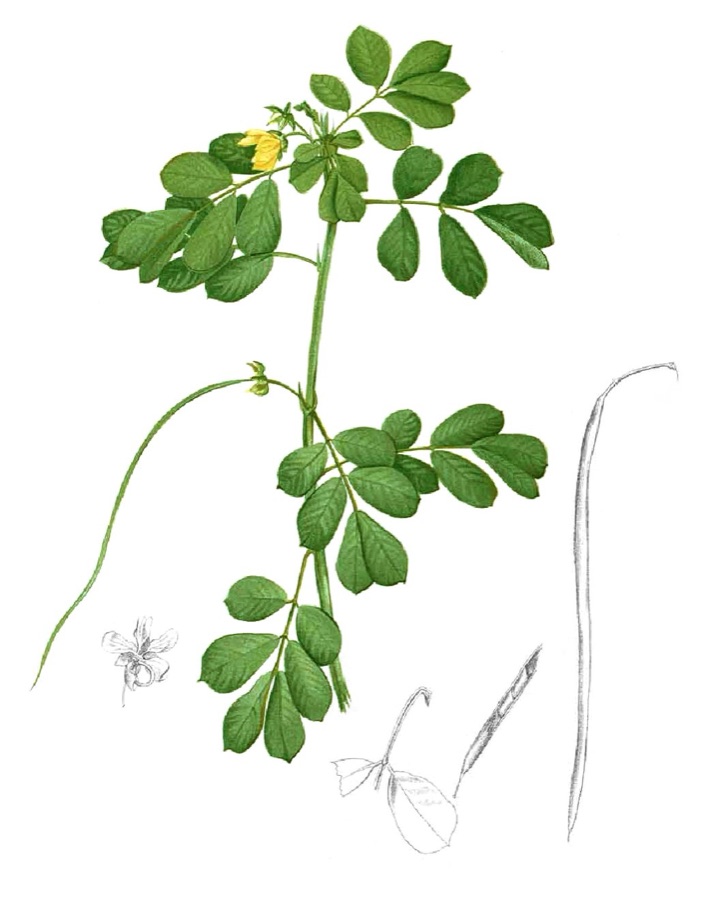
Photo: Francisco Manuel Blanco (O.S.A.) · Public domain · Wikimedia Commons

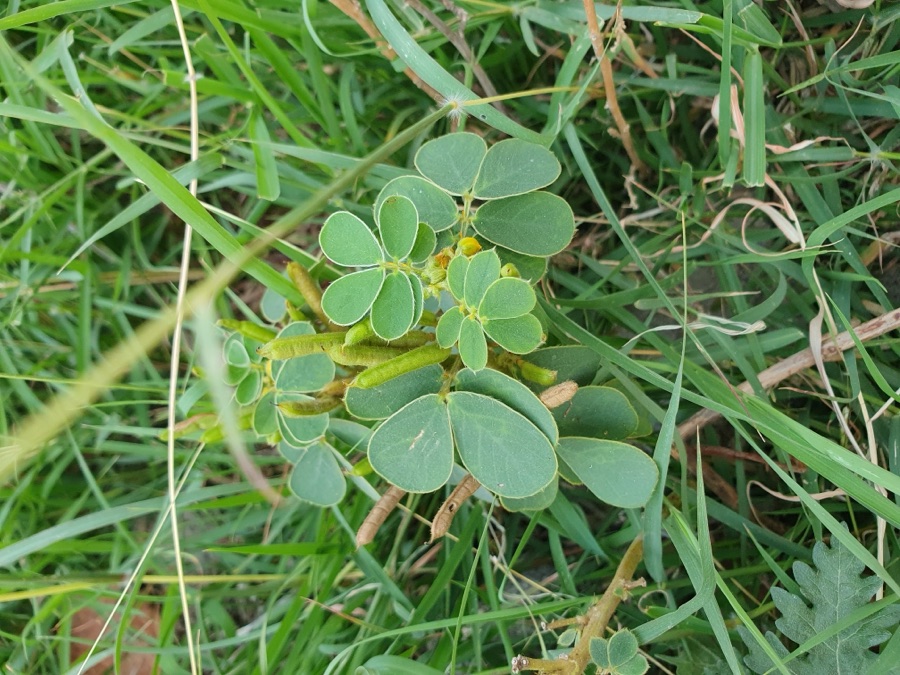
Photo: SameerUNO · CC BY-SA 4.0 · Wikimedia Commons

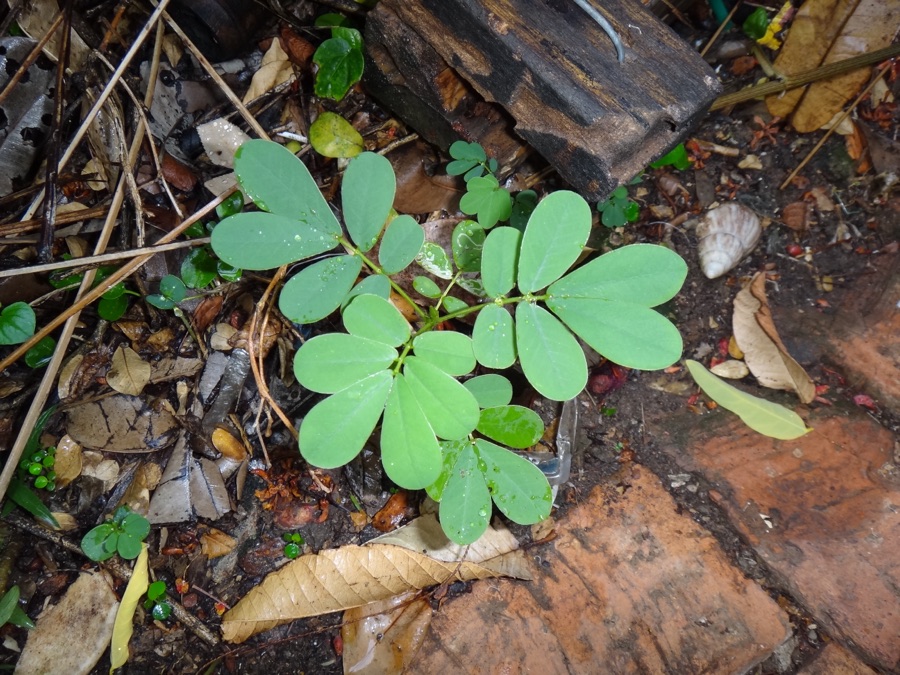
Photo: Nikitakamka · CC BY-SA 4.0 · Wikimedia Commons

Matra and anupana
AS THE CLASSICAL TEXTS AND THE API PRESCRIBE
| Beeja churna | 3–6 g |
| Patra | as shaka, in food quantity |
| Anupana | Takra · Ushnodaka |
| Kala | Adhobhakta |
Chiefly external in dadru. The seed in quantity is laxative.
Reported from Sharangadhara Samhita and the Ayurvedic Pharmacopoeia of India. Laisha states what the texts prescribe; it does not recommend. No quantity here is adjusted for a particular person — not for agni, koshtha, bala, age, pregnancy, kidney or liver function, or anything already being taken.
Rasapanchaka
| Rasa | KatuMadhura |
| Guna | LaghuRuksha |
| Virya | Ushna |
| Vipaka | Katu |
| Prabhava | The texts treat chakramarda as the dravya for dadru specifically, applied as a paste, and the paryaya Dadrughna records it. |
| Doshakarma | Kaphavatahara. Being ushna it increases pitta. |
Katu and madhura with ushna virya and katu vipaka.
Karma and part used
These are the actions the classical texts record. They are statements about what the tradition holds, and this library does not restate them as findings about a human body.
| Upayukta anga | Beeja (the seed) Patra (the leaf) |
| Why it matters | The seed and the leaf. The leaf is eaten as a monsoon vegetable in many regions, and the seed is the medicinal article. |
Paryaya
Dadrughna means destroyer of dadru, ringworm, and it is the paryaya that states the use. A student asked what chakramarda is for should be able to answer from the name.
Names, by language
| English | Sickle senna |
| Sinhala | Peti thora |
| Nepali | Tapre |
| Hindi | Chakvad |
| Kannada | Tagache |
| Tamil | Thagarai |
| Telugu | Tantemu |
| Malayalam | Thakara |
| Marathi | Takla |
| Gujarati | Kuvadiyo |
| Bengali | Chakunda |
| Punjabi | Panwar |
| Odia | Chakunda |
| Urdu | Panwar |
Classical references
Rasa, guna, virya, vipaka and karma are recorded as the classical texts give them, with the text and section named so a student can open the book and check. Where an exact chapter and verse could not be confirmed, this library names the section rather than inventing a number.
Formulations it appears in
| Chakramardadi Taila | Named for the dravya, used externally. |
| Chakramarda Churna | Named for the dravya. |
| Dadrughna Lepa | Chakramarda is the principal dravya. |
Adulterants and substitutes
Senna obtusifolia is nearly identical and grows alongside it, and the two are collected together without distinction; they are chemically similar enough that this matters less than most substitutions here. Senna occidentalis, however, is a different matter — it is toxic to livestock and is sometimes collected with them, and it is worth separating.
Identity
Matched live against the GBIF backbone on 28 September 2026 at 99 per cent confidence. Cassia tora is a synonym. A weed of every monsoon field margin in India, and one a student can find and identify within minutes.
A WAY TO REMEMBER IT
Senna from Arabic sana. Tora is from the Sinhalese name. Chakra-marda means ringworm-crusher, which is the classical use and an easy hook.
What the tradition holds
Chakramarda is described in the Bhavaprakasha Nighantu, where its use on the skin is recorded. That is what the tradition holds and where it is written down, not a finding about what the seed does in a body.
Constituents. The seed carries anthraquinones including chrysophanol, emodin and rhein — the same class that makes senna purgative — along with the naphthopyrone toralactone.
What the evidence says
| Status | Traditional use is extensive and long recorded. Modern clinical evidence is limited. |
| Suggested | Health Canada publishes monographs covering Ayurvedic ingredients and permits specific traditional-use claims, which reflects a regulator accepting a documented tradition rather than a body of clinical trial evidence. |
| Not established | There is not enough good clinical evidence to establish an effect on any named health condition. Long traditional use is not a substitute for that evidence, and this library does not present it as one. |
| The honest gap | Published work is limited and rarely distinguishes Senna tora from Senna obtusifolia. |
Safety
The leaf is eaten as a monsoon vegetable and the seed is used mostly on the skin. Taken internally it is a purgative because of its anthraquinones, and prolonged use of any anthraquinone laxative causes the bowel to rely on it. Senna occidentalis, which can be collected with it, is documented as toxic to livestock and to children, so knowing which plant was gathered matters. Anyone on medication, pregnant, or managing a diagnosed condition should speak to a doctor or a qualified practitioner first.
| Side effects | Loose stool and cramping Skin irritation in some people |
| Contraindications | Pregnancy, in medicinal quantity. Intestinal obstruction or undiagnosed abdominal pain. Inflammatory bowel disease. |
| Interactions | Medicines for the heart, particularly digoxin — potassium loss from repeated purgation raises the risk. Diuretic medicines — salt loss adds together. Any medicine taken by mouth — absorption is reduced. |
| Pregnancy and breastfeeding | Not to be used in medicinal quantity in pregnancy or breastfeeding. |
Growing it
| Climate | Tropical; comes up with the monsoon on field margins and waste ground. |
| Soil | Almost any. A legume. |
| Planting | Not planted. It self-sows everywhere. |
| Harvest | Leaf picked young through the rains. Pods collected when dry and the seed threshed out. |
| What is not stated | This library has not verified region-specific spacing, variety and yield figures against a named agricultural authority for every growing country, and does not state them rather than guessing. |
Last updated · How Laisha writes and checks its pages · Report a mistake
Go further with Laisha Smarter
US$10 a month · one price worldwide · cancel any time
- Ask Laisha about any herb or formulation — up to 1,000 questions a month
- The full study tracks with practice questions
- Reports and exports as real files