Japa
जपा
Hibiscus rosa-sinensis L.
Malvaceae · Hibiscus
Benefits & side effects
TRADITIONAL VIEW, WITH SAFETY LIMITS
Hindi name: Gudhal
What the texts say Japa does
- Keshya — good for the hair
- Raktastambhana — checks bleeding (haemostatic)
- Dahaprashamana — relieves burning
- Varnya — improves complexion
- Hridya — good for the heart
- Garbhanirodhaka — prevents conception (contraceptive)
What the evidence says. Traditional use is extensive and long recorded. Modern clinical evidence is limited.
Side effects and limits
- Digestive upset
- Low blood pressure in those already on medication for it
Avoid or ask first: Pregnancy.; Anyone trying to conceive, in light of the above.; Low blood pressure.
A traditional classification, not a recommendation. The full safety record is below.
Photographs
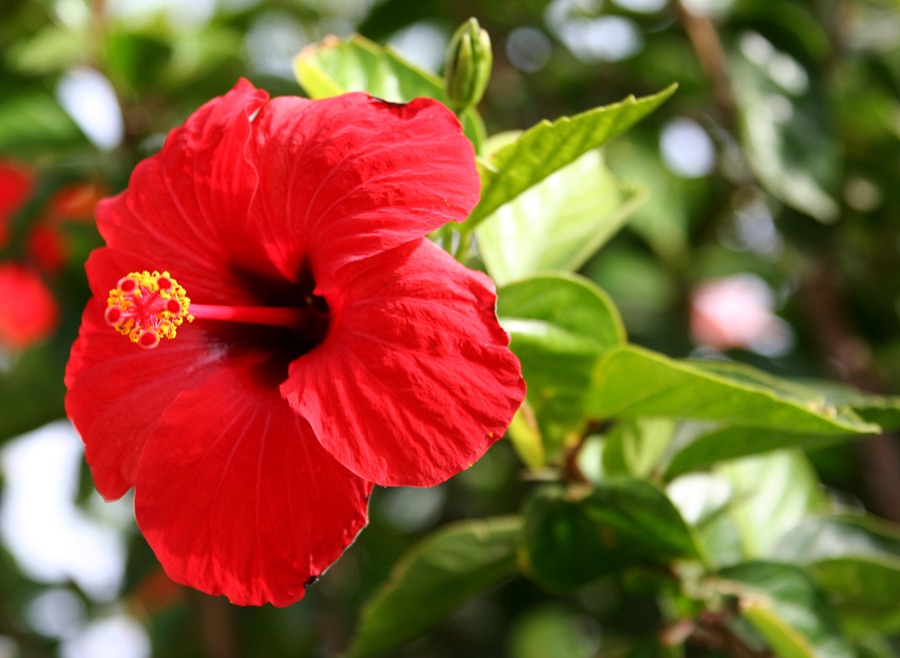
Photo: Andy / Andrew Fogg from near Cambridge, UK · CC BY 2.0 · Wikimedia Commons

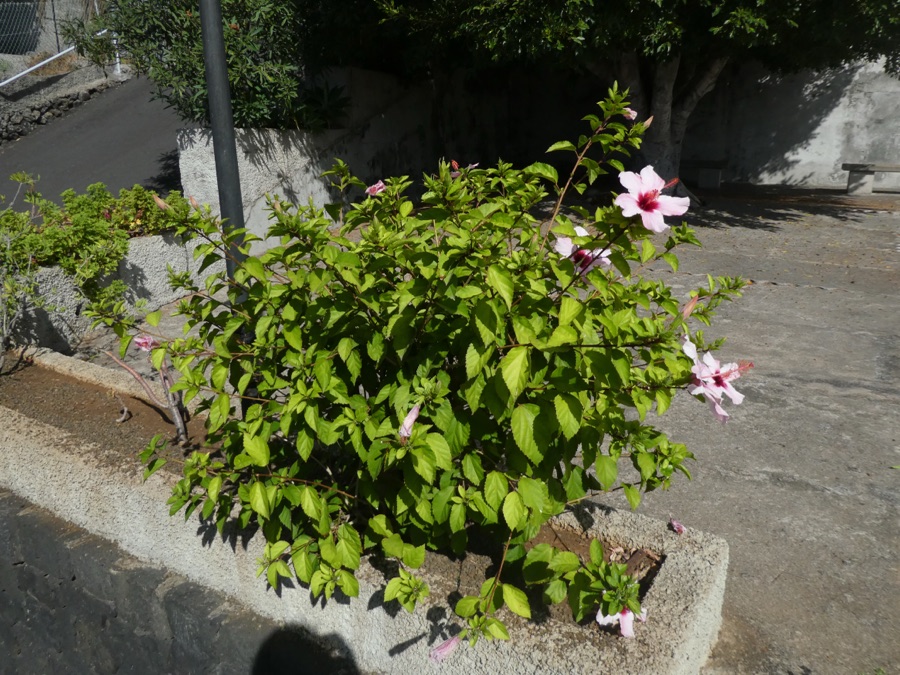
Photo: Syrio · CC BY-SA 4.0 · Wikimedia Commons

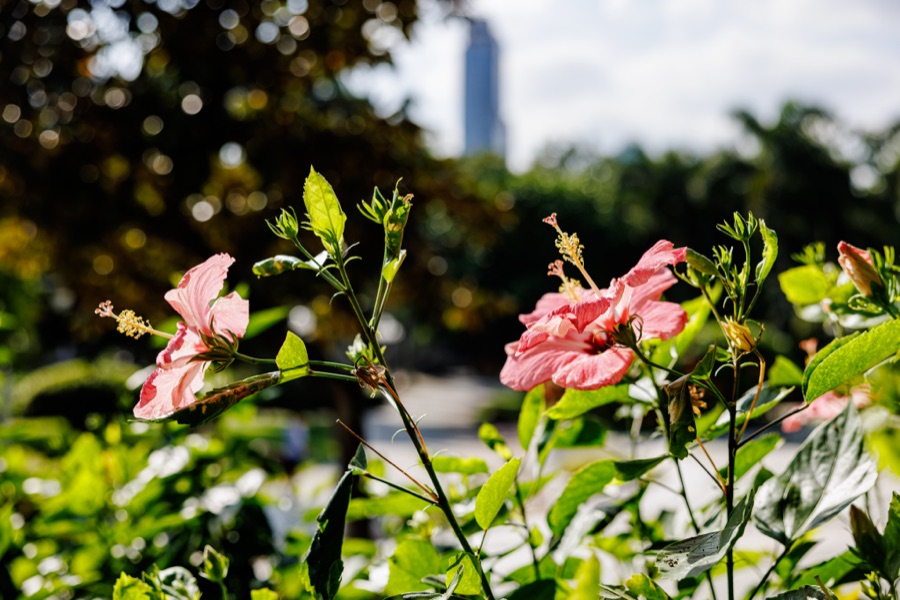
Photo: Dinkun Chen · CC BY-SA 4.0 · Wikimedia Commons

Matra and anupana
AS THE CLASSICAL TEXTS AND THE API PRESCRIBE
| Pushpa churna | 1–3 g |
| Swarasa | 10–20 ml |
| Anupana | Sharkara · Ushnodaka |
| Kala | Adhobhakta |
Classical keshya and raktapradara use.
Reported from Sharangadhara Samhita and the Ayurvedic Pharmacopoeia of India. Laisha states what the texts prescribe; it does not recommend. No quantity here is adjusted for a particular person — not for agni, koshtha, bala, age, pregnancy, kidney or liver function, or anything already being taken.
Rasapanchaka
| Rasa | KashayaMadhura |
| Guna | LaghuSnigdhaPicchila |
| Virya | Sheeta |
| Vipaka | Katu |
| Prabhava | The texts treat japa as keshya and as acting on the hair, and pair it with bhringaraja for that. It is also named for raktapradara. |
| Doshakarma | Kaphapittahara. |
Kashaya and madhura with sheeta virya and katu vipaka.
Karma and part used
These are the actions the classical texts record. They are statements about what the tradition holds, and this library does not restate them as findings about a human body.
| Upayukta anga | Pushpa (the flower) Patra (the leaf) Mula (the root) |
| Why it matters | The red flower is the dravya. The leaf and flower are both mucilaginous and are used on the hair. |
Paryaya
Rakta pushpi and Arunapushpa both name the red flower, and the tradition is specific that the red single form is meant — a distinction a student should carry into a garden centre.
Names, by language
| English | Hibiscus |
| Sinhala | Wada mal |
| Nepali | Ghanti phool |
| Hindi | Gudhal |
| Kannada | Dasavala |
| Tamil | Semparuthi |
| Telugu | Mandara |
| Malayalam | Chembarathi |
| Marathi | Jaswand |
| Gujarati | Jasud |
| Bengali | Joba |
| Punjabi | Gudhal |
| Odia | Mandara |
| Urdu | Gurhal |
Classical references
Rasa, guna, virya, vipaka and karma are recorded as the classical texts give them, with the text and section named so a student can open the book and check. Where an exact chapter and verse could not be confirmed, this library names the section rather than inventing a number.
Formulations it appears in
| Japapushpa Taila | An oil named for the dravya, used on the hair. |
| Neelibhringadi Taila | Japa is among the dravya. |
| Japa Kusumadi Churna | Named for the dravya. |
Adulterants and substitutes
Double-flowered and coloured garden varieties are sold and used where the texts mean the red single form. Hibiscus sabdariffa, roselle, is a different species used for a sour drink and is sometimes called hibiscus without qualification; it has its own quite different profile including a documented effect on blood pressure.
Identity
Matched live against the GBIF backbone on 28 September 2026 at 99 per cent confidence. The red single-flowered form is the one the texts mean; the many double and coloured garden forms are not the medicinal article.
A WAY TO REMEMBER IT
Hibiscus is an old Greek name for mallow. Rosa-sinensis means rose of China. Japa means the flower offered while chanting.
What the tradition holds
Japa is described in the Bhavaprakasha Nighantu among the flowers and is recorded as keshya. That is what the tradition holds and where it is written down, not a finding about what the flower does in a body.
Constituents. The flower carries anthocyanins, flavonoids and a large amount of mucilage, which is what gives hair preparations their slip.
What the evidence says
| Status | Traditional use is extensive and long recorded. Modern clinical evidence is limited. |
| Suggested | Health Canada publishes monographs covering Ayurvedic ingredients and permits specific traditional-use claims, which reflects a regulator accepting a documented tradition rather than a body of clinical trial evidence. |
| Not established | There is not enough good clinical evidence to establish an effect on any named health condition. Long traditional use is not a substitute for that evidence, and this library does not present it as one. |
| The honest gap | Much published work concerns Hibiscus sabdariffa rather than this species, and the two should not be read across. |
Safety
Used very widely on the hair and skin with little harm documented. The caution that matters is documented and is one the tradition itself names: japa has been investigated for antifertility activity in animal studies, and the paryaya list includes garbhanirodhaka among its karma for that reason. It is therefore not used in pregnancy or by anyone trying to conceive. It may also lower blood pressure. Anyone on medication, pregnant, or managing a diagnosed condition should speak to a doctor or a qualified practitioner first.
| Side effects | Digestive upset Low blood pressure in those already on medication for it |
| Contraindications | Pregnancy. Anyone trying to conceive, in light of the above. Low blood pressure. |
| Interactions | No specific drug interaction is documented for this dravya. That is the honest state of the evidence, not a statement that none exists — most Ayurvedic dravya have never been studied for interaction. Tell the prescribing doctor it is being taken. Antihypertensives — Hibiscus lowers blood pressure in trials; the effect is additive. Paracetamol — altered elimination reported with Hibiscus. |
| Pregnancy and breastfeeding | Not to be used in pregnancy or breastfeeding. |
Growing it
| Climate | Tropical and subtropical; grown in every second garden in India. |
| Soil | Well-drained ground with reliable water. |
| Planting | A shrub, grown very easily from cuttings. |
| Harvest | Flowers picked fresh in the morning and used fresh or dried in shade. |
| What is not stated | This library has not verified region-specific spacing, variety and yield figures against a named agricultural authority for every growing country, and does not state them rather than guessing. |
Last updated · How Laisha writes and checks its pages · Report a mistake
Go further with Laisha Smarter
US$10 a month · one price worldwide · cancel any time
- Ask Laisha about any herb or formulation — up to 1,000 questions a month
- The full study tracks with practice questions
- Reports and exports as real files