Jeeraka
जीरक
Cuminum cyminum L.
Apiaceae · Cuminum
One name, more than one plant
Matched live against the GBIF backbone on 28 September 2026 at 99 per cent confidence. This is Shweta Jeeraka, white cumin. Krishna Jeeraka is Carum carvi and Kala Jeera is Bunium persicum — three different plants under one family of names, and the texts distinguish them.
Benefits & side effects
TRADITIONAL VIEW, WITH SAFETY LIMITS
What the texts say Jeeraka does
- Deepana — kindles digestion (appetiser)
- Pachana — digests ama (digestive)
- Grahi — digestive that absorbs excess fluid and binds the stool
- Ruchya — improves taste
- Stanyajanana — promotes breast milk
- Garbhashaya shodhana — cleanses the uterus
What the evidence says. Traditional use is extensive and long recorded. Modern clinical evidence is limited.
Side effects and limits
- Burning sensation in quantity
- Digestive irritation in those of pitta constitution
Avoid or ask first: No absolute contraindication is documented here. This is written deliberately rather than left blank.
A traditional classification, not a recommendation. The full safety record is below.
Stands in 2 groups
- Shulaprashamana — Allaying colic (named there as Ajaji)
- Pippalyadi — Agni, Kapha, and the digestive disorders (named there as Jiraka)
A Samhita can only be read forwards, from the group to its members. This is the same list read backwards.
Photographs
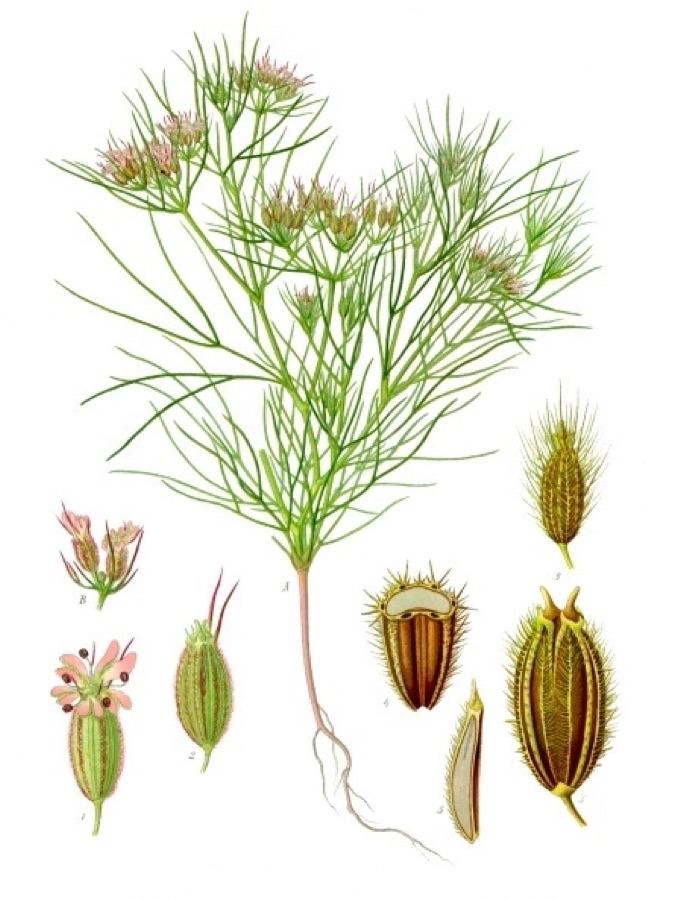
Photo: Franz Eugen Köhler, Köhler's Medizinal-Pflanzen · Public domain · Wikimedia Commons

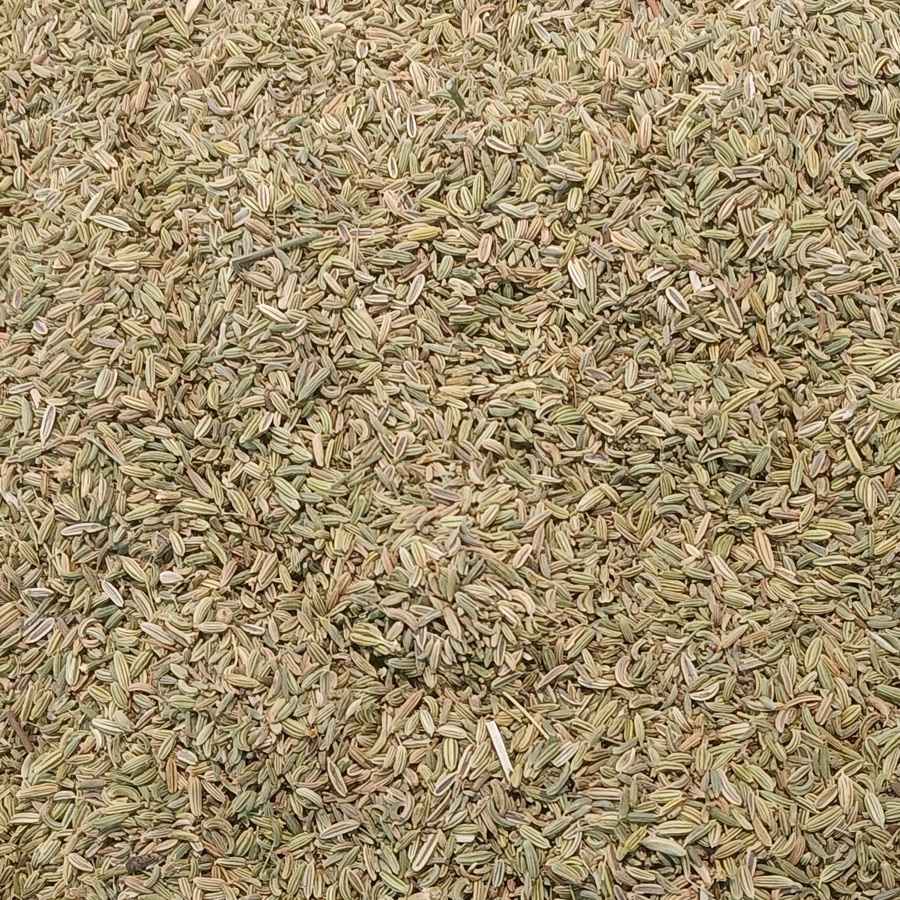
Photo: Fumikas Sagisavas · CC0 · Wikimedia Commons

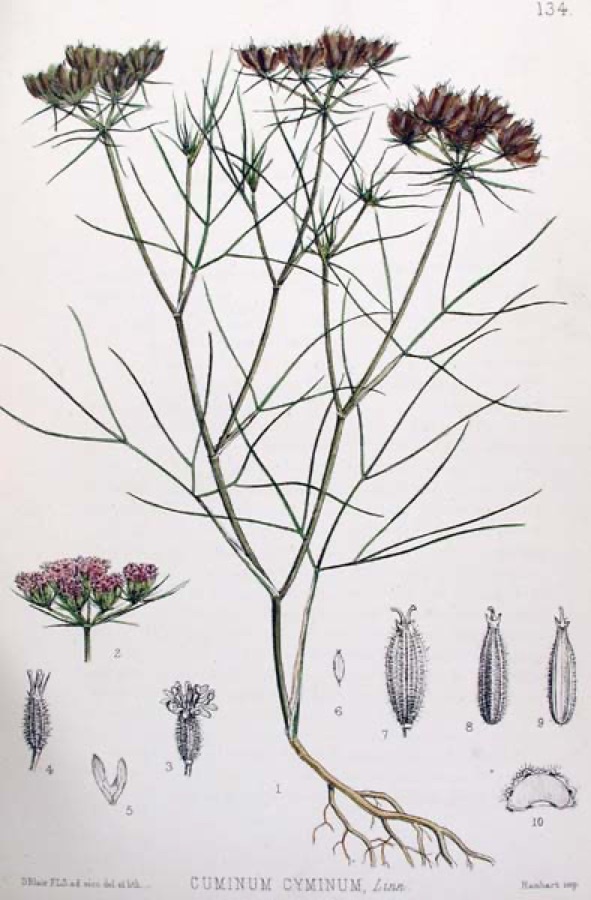
Photo: Robert Bentley and Henry Trimen · Public domain · Wikimedia Commons

Matra and anupana
AS THE CLASSICAL TEXTS AND THE API PRESCRIBE
| Churna | 1–3 g |
| Anupana | Takra · Ushnodaka |
| Kala | Adhobhakta |
Shweta Jeeraka. Krishna Jeeraka and Kala Jeera are different plants.
Reported from Sharangadhara Samhita and the Ayurvedic Pharmacopoeia of India. Laisha states what the texts prescribe; it does not recommend. No quantity here is adjusted for a particular person — not for agni, koshtha, bala, age, pregnancy, kidney or liver function, or anything already being taken.
Rasapanchaka
| Rasa | Katu |
| Guna | LaghuRukshaTikshna |
| Virya | Ushna |
| Vipaka | Katu |
| Prabhava | The texts treat jeeraka as the standard deepana and pachana of the kitchen, and it is named in that connection more than any other spice except shunthi. |
| Doshakarma | Kaphavatahara. Being ushna it increases pitta. |
A single rasa, katu, with ushna virya and katu vipaka.
Karma and part used
These are the actions the classical texts record. They are statements about what the tradition holds, and this library does not restate them as findings about a human body.
| Upayukta anga | Phala (the fruit, called the seed) |
| Why it matters | What is called the seed is botanically the fruit, as with all Apiaceae in this library. |
Paryaya
Deepya names the action — kindling the digestive fire — and Jarana names digestion itself. The paryaya of this dravya are almost all about the gut.
Names, by language
| English | Cumin |
| Sinhala | Suduru |
| Nepali | Jira |
| Hindi | Jeera |
| Kannada | Jeerige |
| Tamil | Seeragam |
| Telugu | Jilakarra |
| Malayalam | Jeerakam |
| Marathi | Jire |
| Gujarati | Jeeru |
| Bengali | Jira |
| Punjabi | Jeera |
| Odia | Jira |
| Urdu | Zeera safaid |
Classical references
Rasa, guna, virya, vipaka and karma are recorded as the classical texts give them, with the text and section named so a student can open the book and check. Where an exact chapter and verse could not be confirmed, this library names the section rather than inventing a number.
Formulations it appears in
| Jeerakadyarishta | A fermented preparation named for the dravya. |
| Hingvashtaka Churna | Jeeraka is among the eight dravya. |
| Dadimashtaka Churna | Among the dravya of the formulation. |
Adulterants and substitutes
Grass seed dyed and shaped to pass as cumin has been found in commercial seizures, and it is the reason whole seed is safer to buy than powder. Cumin is also confused honestly with caraway and with black cumin at the shop counter, since all three are called jeera with a qualifier. Ground cumin is bulked with spent seed, husk and flour.
Identity
Matched live against the GBIF backbone on 28 September 2026 at 99 per cent confidence. This is Shweta Jeeraka, white cumin. Krishna Jeeraka is Carum carvi and Kala Jeera is Bunium persicum — three different plants under one family of names, and the texts distinguish them.
A WAY TO REMEMBER IT
Cuminum and cyminum are the same ancient Semitic word twice, through Greek. Sanskrit jira means that which digests.
What the tradition holds
Jeeraka is described in the Bhavaprakasha Nighantu and is recorded throughout the classical literature as deepana and pachana, and as stanyajanana. That is what the tradition holds and where it is written down, not a finding about what the seed does in a body.
Constituents. The fruit carries an essential oil with cuminaldehyde as its characteristic constituent.
What the evidence says
| Status | Traditional use is extensive and long recorded. Modern clinical evidence is limited. |
| Suggested | Health Canada publishes monographs covering Ayurvedic ingredients and permits specific traditional-use claims, which reflects a regulator accepting a documented tradition rather than a body of clinical trial evidence. |
| Not established | There is not enough good clinical evidence to establish an effect on any named health condition. Long traditional use is not a substitute for that evidence, and this library does not present it as one. |
| The honest gap | Published work uses essential oil or extract far more often than the whole spice as eaten. |
Safety
Eaten daily across India with no serious harm documented at culinary use. In medicinal quantity it is ushna and aggravates pitta. Anyone on medication, pregnant, or managing a diagnosed condition should speak to a doctor or a qualified practitioner first.
| Side effects | Burning sensation in quantity Digestive irritation in those of pitta constitution |
| Contraindications | No absolute contraindication is documented here. This is written deliberately rather than left blank. |
| Interactions | Antidiabetic medicines — additive lowering reported. Anticoagulants — caution at high intake. |
| Pregnancy and breastfeeding | Ordinary culinary use is long established. Medicinal quantities in pregnancy or breastfeeding should be discussed with a qualified practitioner first. |
Growing it
| Climate | Dry subtropical, a short cool-season crop. |
| Soil | Well-drained sandy loam. It fails in wet ground. |
| Planting | Sown direct in the cool season; about a hundred days to harvest. |
| Harvest | Plants are cut when the fruit turns brown, dried and threshed. |
| What is not stated | This library has not verified region-specific spacing, variety and yield figures against a named agricultural authority for every growing country, and does not state them rather than guessing. |
Grown as a crop: how to grow cumin, from sowing to harvest, in Laisha's grow guides.
Last updated · How Laisha writes and checks its pages · Report a mistake
Go further with Laisha Smarter
US$10 a month · one price worldwide · cancel any time
- Ask Laisha about any herb or formulation — up to 1,000 questions a month
- The full study tracks with practice questions
- Reports and exports as real files