Riddhi
ऋद्धि
Habenaria intermedia D.Don
Orchidaceae · Habenaria
Benefits & side effects
TRADITIONAL VIEW, WITH SAFETY LIMITS
What the texts say Riddhi does
- Jivaniya — vitalising, life-sustaining
- Brimhaniya — nourishing, builds body tissue
- Shukrajanana — promotes the production of semen
- Balya — strengthening
What the evidence says. Riddhi has a long classical record but almost no modern research, and the little that exists seldom confirms which Habenaria was studied.
Side effects and limits
Almost nothing sold as Riddhi is Habenaria intermedia. The orchid is scarce in the wild, the Ashtavarga as a group are on red lists, and the official substitute is varahikanda (Dioscorea bulbifera), a different plant with its own safety questions. The safety of a product therefore depends on what is really in it, not on the name. Pregnant women, people on prescription medicines and anyone managing a diagnosed illness should consult a doctor or qualified practitioner first.
Avoid or ask first: No absolute contraindication is documented here. This is written deliberately rather than left blank.
A traditional classification, not a recommendation. The full safety record is below.
Stands in 2 groups
- Kakolyadi — Pitta, bleeding, and the building of tissue
- Ashtavarga — The eight - the Himalayan group of the Jivaniya and Kakolyadi drugs
A Samhita can only be read forwards, from the group to its members. This is the same list read backwards.
Photographs
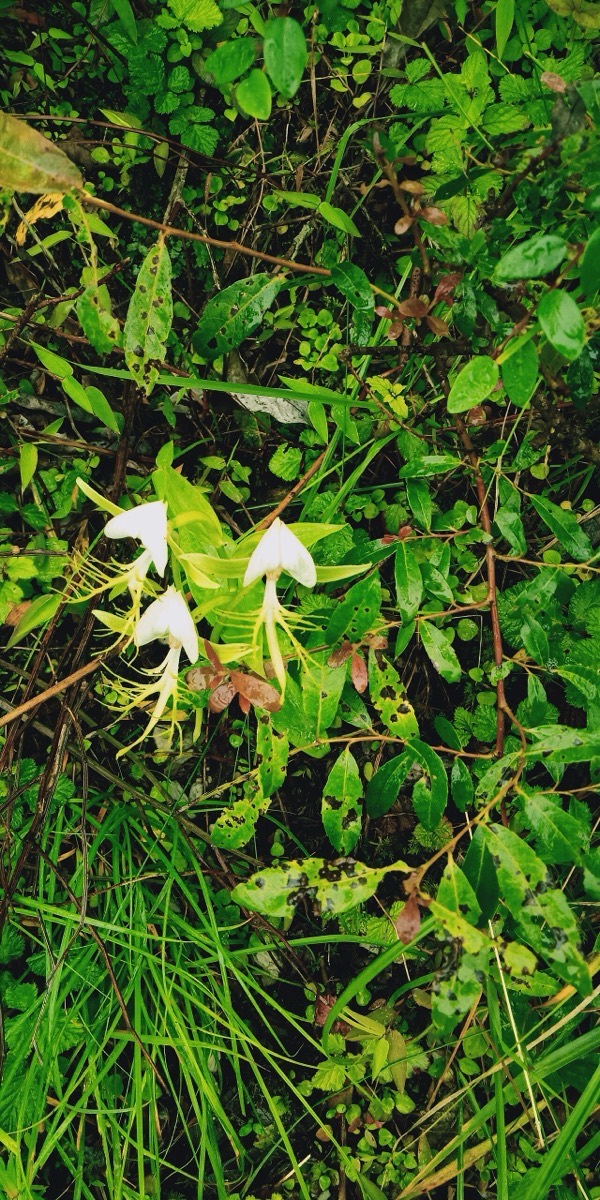
Photo: Shyamal · CC BY-SA 3.0 · Wikimedia Commons

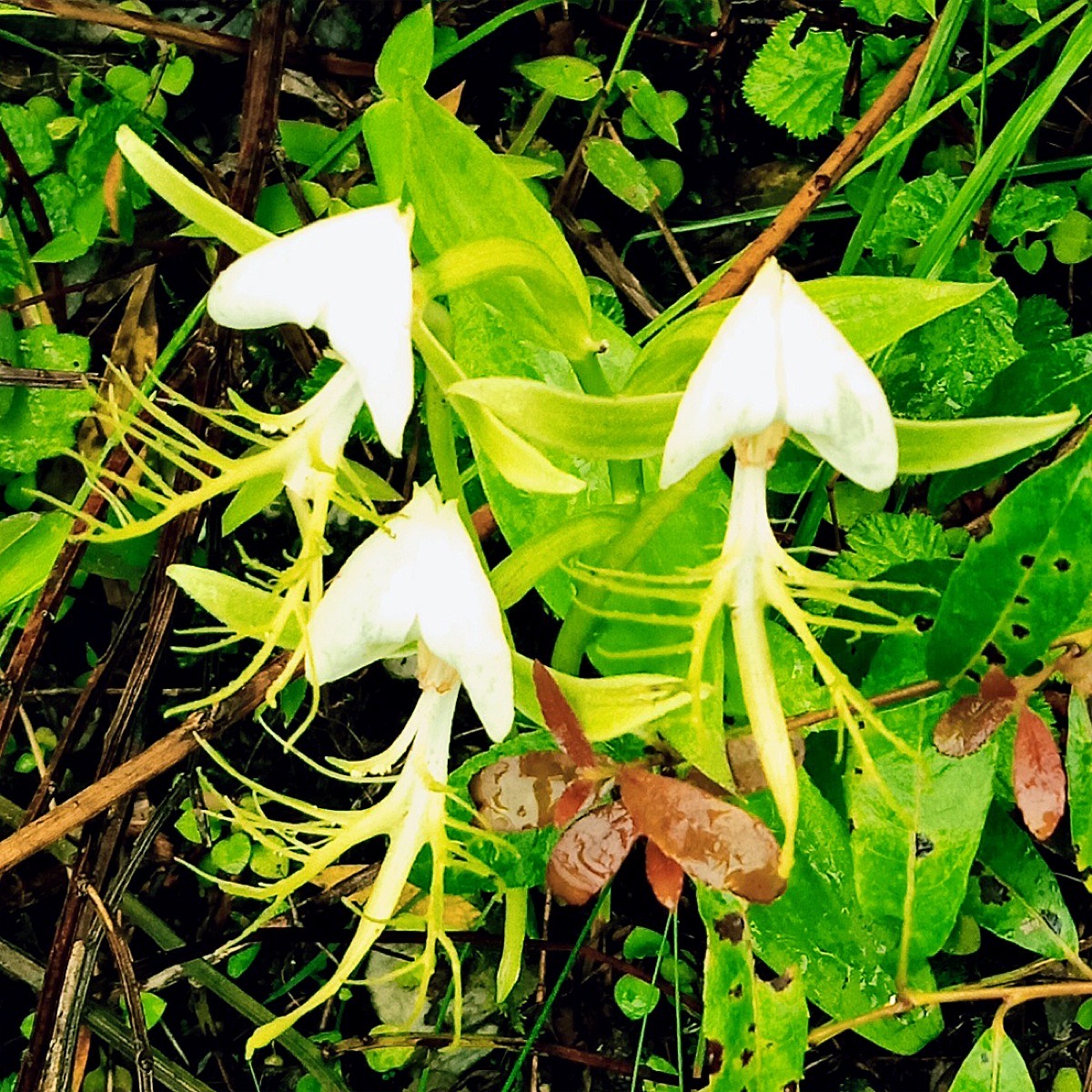
Photo: Shyamal · CC BY-SA 3.0 · Wikimedia Commons

Matra and anupana
AS THE CLASSICAL TEXTS AND THE API PRESCRIBE
| Churna | 3–6 g |
| Anupana | Ksheera · Madhu |
| Kala | Adhobhakta |
This is the figure the texts give for the Ashtavarga as a group. In practice the material dispensed is usually varahikanda, the official substitute, rather than the orchid.
Reported from Sharangadhara Samhita and the Ayurvedic Pharmacopoeia of India. Laisha states what the texts prescribe; it does not recommend. No quantity here is adjusted for a particular person — not for agni, koshtha, bala, age, pregnancy, kidney or liver function, or anything already being taken.
Rasapanchaka
| Rasa | Madhura |
| Guna | GuruSnigdha |
| Virya | Sheeta |
| Vipaka | Madhura |
| Prabhava | Riddhi is the one member of the Riddhi-Vriddhi pair that Charaka names in his Chyavanaprasha recipe (Chikitsasthana 1.1.63); Vriddhi does not appear there. |
| Doshakarma | Vatapittahara. |
Sweet, cooling and sweet after digestion. The nighantu gives this profile to the Ashtavarga collectively, so it describes the group's reputation rather than a tested property of Habenaria intermedia.
Karma and part used
Jivaniya, brimhaniya, shukrajanana and balya are the actions the texts assign. They state a classical reputation for a plant whose identity is still argued over, and they are not presented here as effects.
| Upayukta anga | Kanda (the tuber) |
| Why it matters | The kanda, the underground tuber the orchid uses to survive the Himalayan winter, is the part the texts name. Lifting it kills the plant, which is why every kilogram of genuine Riddhi represents wild plants removed, not a crop harvested. |
Paryaya
Siddhi (accomplishment), Mangala (auspiciousness) and Laxmi (fortune) all repeat the meaning of Riddhi itself, prosperity. They are blessings rather than descriptions, so none of them helps a collector recognise the orchid.
Names, by language
| English | — |
| Hindi | Riddhi |
| Kannada | Riddhi |
| Tamil | Riddhi |
| Telugu | Riddhi |
| Malayalam | Riddhi |
| Marathi | Riddhi |
| Gujarati | Riddhi |
| Bengali | Riddhi |
| Odia | Ruddhi |
| Urdu | Riddhi |
Classical references
Formulations it appears in
| Chyavanaprasha | Named individually in Charaka's recipe (verse 63, next to jivaka and rishabhaka). Commercial makers often replace it with an official substitute and should say so on the label. |
| Jivaniya Gana Kwatha | Not one of Charaka's ten Jivaniya herbs; where a Jivaniya-type preparation includes Riddhi, it comes in through Sushruta's Kakolyadi gana, which overlaps with Charaka's list. |
Adulterants and substitutes
The Ayurvedic Pharmacopoeia of India names Dioscorea bulbifera (varahikanda) as the official substitute for Riddhi, and traditional practice also substitutes varahikanda for the pair. Since Riddhi is gathered only from wild Himalayan stands and is not cultivated commercially, a product labelled Riddhi is far more likely to contain the substitute, or an unidentified tuber, than the orchid.
Identity
Riddhi is usually identified as Habenaria intermedia D.Don, a tuberous ground orchid of Himalayan grassland, accepted under that name in the GBIF backbone. The pairing is less stable than most books suggest: a 2017 review of the Ashtavarga found that some projects and publications call H. intermedia Vriddhi and give Riddhi to H. edgeworthii, the reverse of the common Ayurvedic assignment. Anyone comparing papers on Riddhi has to check which Habenaria was actually collected.
A WAY TO REMEMBER IT
Habenaria comes from Latin habena, a rein or strap, after the long strap-like spur of the flower. Intermedia means 'in between', for its position between related species. Riddhi means prosperity, and Riddhi and Vriddhi are also the names of two companions of Ganesha.
What the tradition holds
Riddhi appears in Sushruta's Kakolyadi gana and, by name, in Charaka's Chyavanaprasha. Later nighantus describe it as one of the eight Ashtavarga, the nourishing Himalayan tubers. The texts are clear about its role; which orchid they meant has never been settled.
What the evidence says
| Status | Riddhi has a long classical record but almost no modern research, and the little that exists seldom confirms which Habenaria was studied. |
| Suggested | Published work documents the identity confusion, the Ashtavarga's presence on red lists and the official substitute. That is evidence of a supply problem, not of an effect in people. |
| Not established | No clinical study of Riddhi for any condition has been identified. Its jivaniya and shukrajanana reputation remains a classical statement. |
| The honest gap | Because authors disagree on whether H. intermedia is Riddhi or Vriddhi, even a careful study of one species cannot be confidently filed under either name. |
Safety
Almost nothing sold as Riddhi is Habenaria intermedia. The orchid is scarce in the wild, the Ashtavarga as a group are on red lists, and the official substitute is varahikanda (Dioscorea bulbifera), a different plant with its own safety questions. The safety of a product therefore depends on what is really in it, not on the name. Pregnant women, people on prescription medicines and anyone managing a diagnosed illness should consult a doctor or qualified practitioner first.
| Contraindications | No absolute contraindication is documented here. This is written deliberately rather than left blank. |
| Interactions | No specific drug interaction is documented for Riddhi. It has not been studied with modern medicines, and products may contain a substitute whose interactions differ. |
| Pregnancy and breastfeeding | No safety data exist for pregnancy or breastfeeding, and the question cannot be answered while the material supplied is usually a substitute. |
Last updated · How Laisha writes and checks its pages · Report a mistake
Go further with Laisha Smarter
US$10 a month · one price worldwide · cancel any time
- Ask Laisha about any herb or formulation — up to 1,000 questions a month
- The full study tracks with practice questions
- Reports and exports as real files