Shati
शटी
Hedychium spicatum Sm.
Zingiberaceae · Hedychium
Benefits & side effects
TRADITIONAL VIEW, WITH SAFETY LIMITS
Hindi name: Kapoor kachri
What the texts say Shati does
- Shwasahara — relieves breathlessness
- Kasahara — relieves cough
- Hikkanigrahana — relieves hiccups
- Deepana — kindles digestion (appetiser)
- Krimighna — anthelmintic (against worms)
What the evidence says. Shati's traditional use for the airway is long recorded. Laboratory study of Hedychium spicatum is growing, but human trials are scarce.
Side effects and limits
Shati is an aromatic rhizome with a long history of use, including in Chyavanaprasha, which many people take daily for long periods. No significant toxicity has been recorded at traditional amounts, though this reflects limited study. Anyone pregnant, on medication or managing a diagnosed condition should speak to a doctor or a qualified practitioner first.
Avoid or ask first: No absolute contraindication for Shati is recorded in the sources used. As a heating, drying drug it is used carefully where pitta is high.
A traditional classification, not a recommendation. The full safety record is below.
Stands in 2 groups
- Hikkanigrahana — Arresting hiccough
- Shwasahara — Relieving breathlessness
A Samhita can only be read forwards, from the group to its members. This is the same list read backwards.
Photographs
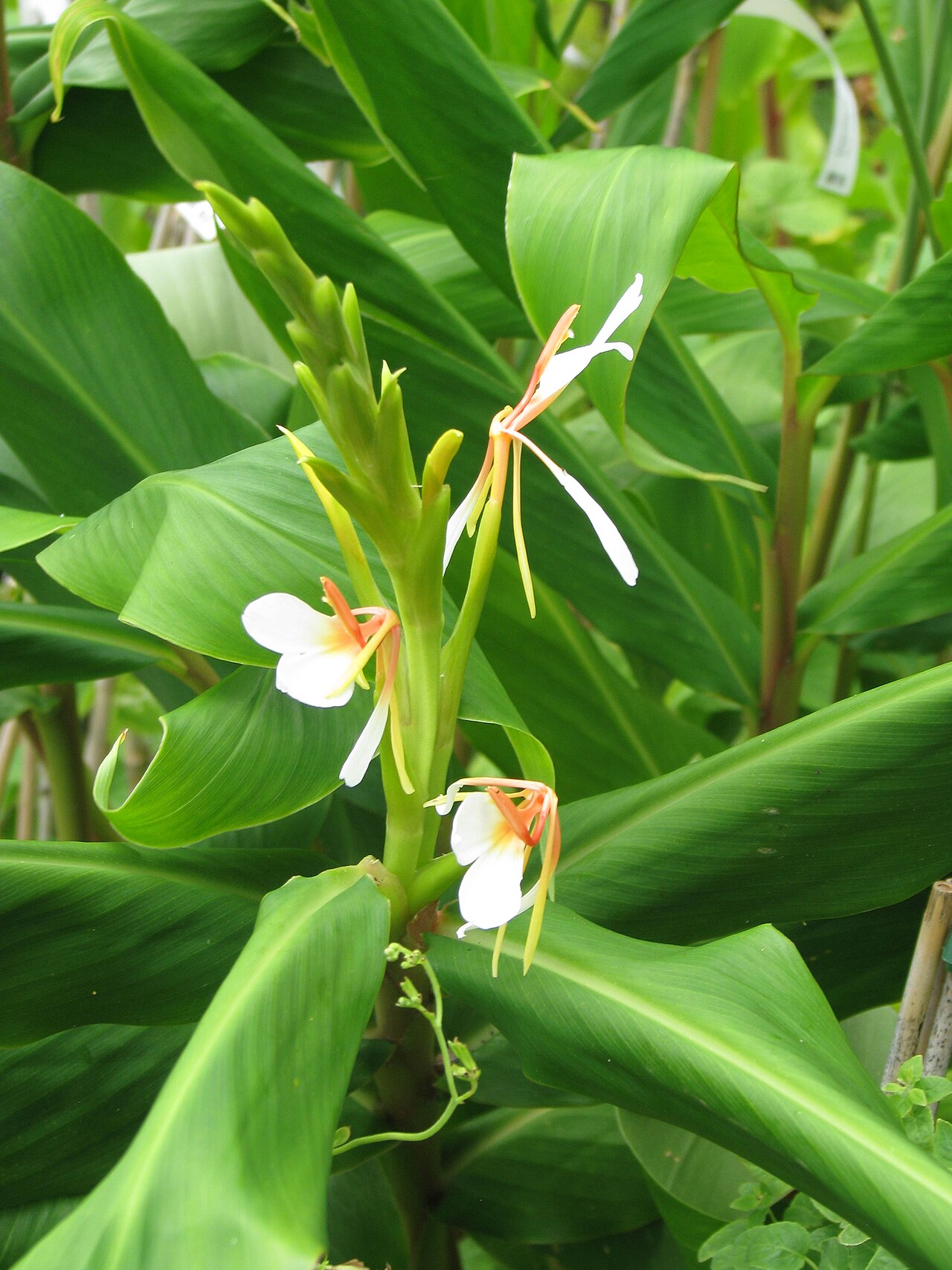
Photo: peganum from Small Dole, England · CC BY-SA 2.0 · Wikimedia Commons

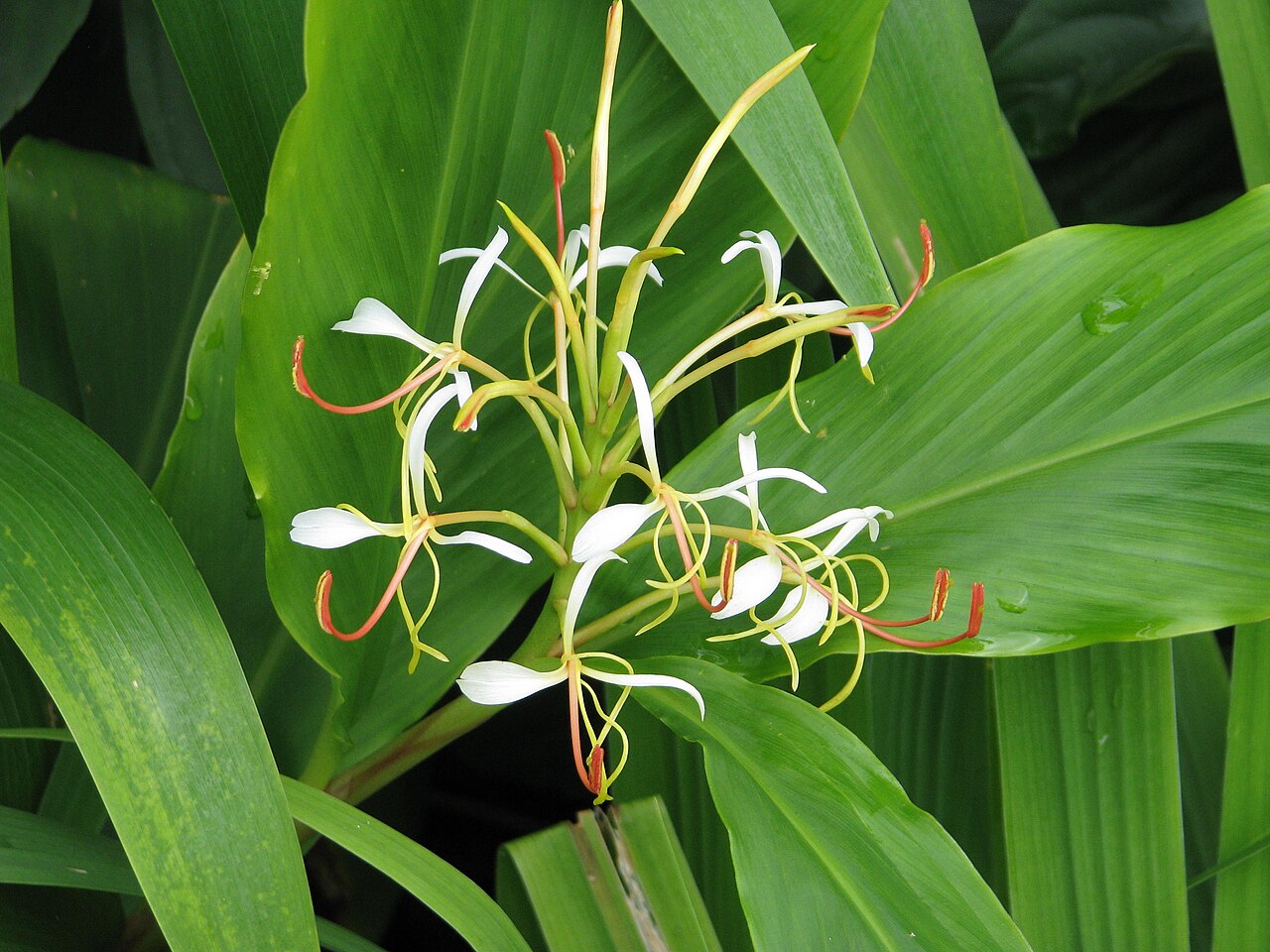
Photo: peganum from Henfield, England · CC BY-SA 2.0 · Wikimedia Commons

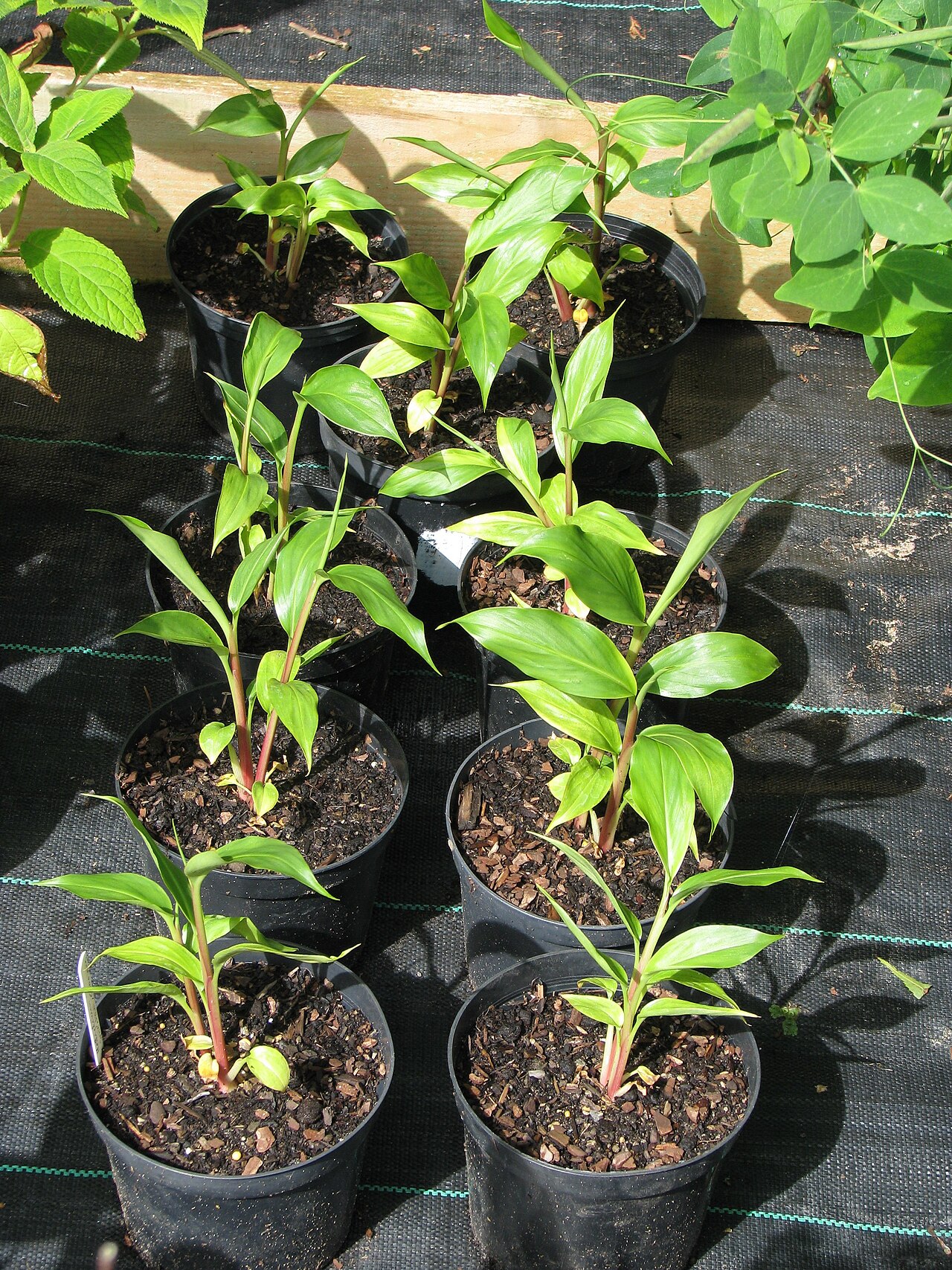
Photo: peganum from Small Dole, England · CC BY-SA 2.0 · Wikimedia Commons

Matra and anupana
AS THE CLASSICAL TEXTS AND THE API PRESCRIBE
| Churna | 1–3 g |
| Anupana | Madhu · Ushnodaka |
| Kala | Adhobhakta |
The churna range recorded for Shati when used for breathlessness and cough.
Reported from Sharangadhara Samhita and the Ayurvedic Pharmacopoeia of India. Laisha states what the texts prescribe; it does not recommend. No quantity here is adjusted for a particular person — not for agni, koshtha, bala, age, pregnancy, kidney or liver function, or anything already being taken.
Pharmacopoeial standard
Ayurvedic Pharmacopoeia of India, Part I
| Marker | The volatile oil profile |
| Assay | |
| Total ash | |
| Acid-insoluble ash | |
| Alcohol-soluble extractive | |
| Water-soluble extractive | |
| Foreign matter |
The monograph is for Hedychium spicatum rhizome. Kaempferia galanga and Curcuma zedoaria are both traded under the same name, kachri.
The marker named is the volatile oil profile, and it is not a test Laisha has run on any sample of Shati. The limits are not printed here; they belong to the current Ayurvedic Pharmacopoeia of India and should be read there.
Rasapanchaka
| Rasa | TiktaKatu |
| Guna | LaghuTikshnaRuksha |
| Virya | Ushna |
| Vipaka | Katu |
| Prabhava | Shati heads Charaka's Hikkanigrahana group, the drugs for stopping hiccough, and is also named in the Shwasahara group for breathlessness. |
| Doshakarma | Kaphavatahara. |
Tikta and katu in taste, laghu, tikshna and ruksha in quality, ushna virya and katu vipaka. The light, drying, heating profile suits the respiratory groups in which Charaka places it.
Karma and part used
Shwasahara, kasahara, hikkanigrahana, deepana and krimighna are recorded. Shati is one of the clearest examples of a drug the texts tie to the airway. These remain claims of the tradition.
| Upayukta anga | Kanda (the rhizome) |
| Why it matters | The dried rhizome, cut into rounded slices with a strong camphor-like smell. Kapoor kachri, the common name, refers to that camphor note. |
Paryaya
Gandhamulaka and Sugandha both mean fragrant, for the scented rhizome. Shatika is a variant of the main name. Karchura is also used for Curcuma zedoaria, which keeps the two confused in the trade.
Names, by language
| English | Spiked ginger lily |
| Hindi | Kapoor kachri |
| Kannada | Kachora |
| Tamil | Kichilikizhangu |
| Telugu | Kachoramu |
| Malayalam | Kachoori |
| Marathi | Kapurkachari |
| Gujarati | Kapurkachli |
| Bengali | Kapurkachri |
| Odia | Kachura |
| Urdu | Kapur kachri |
Classical references
Formulations it appears in
| Shatyadi Churna | The powder named after Shati, its lead ingredient. |
| Chyavanaprasha | Named in Charaka's own recipe (Chikitsasthana 1.1, verses 62–74), between Rishabhaka and Musta. |
| Vyaghri Haritaki | One of the ingredients of this haritaki confection for cough and breathlessness. |
Adulterants and substitutes
Kaempferia galanga and Curcuma zedoaria are both traded as kachri or karchura, and both are sold as Shati. All three are fragrant ginger-family rhizomes, so smell does not separate them; only a reliable supplier or a laboratory check does.
Identity
Shati is Hedychium spicatum, the spiked ginger lily, a Himalayan member of the ginger family with a fragrant rhizome; Charak Samhita Online gives the same identity. In north Indian markets, the trade name kachri is also used for Kaempferia galanga, a different genus with a different chemistry.
A WAY TO REMEMBER IT
Hedychium comes from the Greek hedys, sweet, and chion, snow, for the white, sweet-smelling flowers. Spicatum refers to the flower spike.
What the tradition holds
Shati is the drug Charaka puts first among those for hiccough, and he lists it for breathlessness as well. It is one of the ingredients he names in Chyavanaprasha. Outside medicine, the rhizome is also burnt as incense and used in perfumery.
What the evidence says
| Status | Shati's traditional use for the airway is long recorded. Laboratory study of Hedychium spicatum is growing, but human trials are scarce. |
| Suggested | There is a pharmacopoeial monograph for the rhizome, judged mainly by its volatile oil profile. Laboratory studies have examined that oil. Neither amounts to clinical evidence for hiccough, cough or breathlessness. |
| Not established | No good clinical trial has shown that Shati helps hiccough, cough or breathlessness. |
| The honest gap | Because Kaempferia galanga and Curcuma zedoaria share its trade names, studies that do not confirm their material may have tested the wrong rhizome. |
Safety
Shati is an aromatic rhizome with a long history of use, including in Chyavanaprasha, which many people take daily for long periods. No significant toxicity has been recorded at traditional amounts, though this reflects limited study. Anyone pregnant, on medication or managing a diagnosed condition should speak to a doctor or a qualified practitioner first.
| Contraindications | No absolute contraindication for Shati is recorded in the sources used. As a heating, drying drug it is used carefully where pitta is high. |
| Interactions | No specific drug interaction is documented for Shati. |
| Pregnancy and breastfeeding | Not established. Shati is ushna and tikshna, and the classical texts are cautious with strongly heating drugs in pregnancy. |
Last updated · How Laisha writes and checks its pages · Report a mistake
Go further with Laisha Smarter
US$10 a month · one price worldwide · cancel any time
- Ask Laisha about any herb or formulation — up to 1,000 questions a month
- The full study tracks with practice questions
- Reports and exports as real files