How to Grow Adzuki bean
Vigna angularis · Also called: Azuki bean, Aduki bean, Red bean, Red mung bean, Chi xiao dou, Pat, Hongdou, Azuki
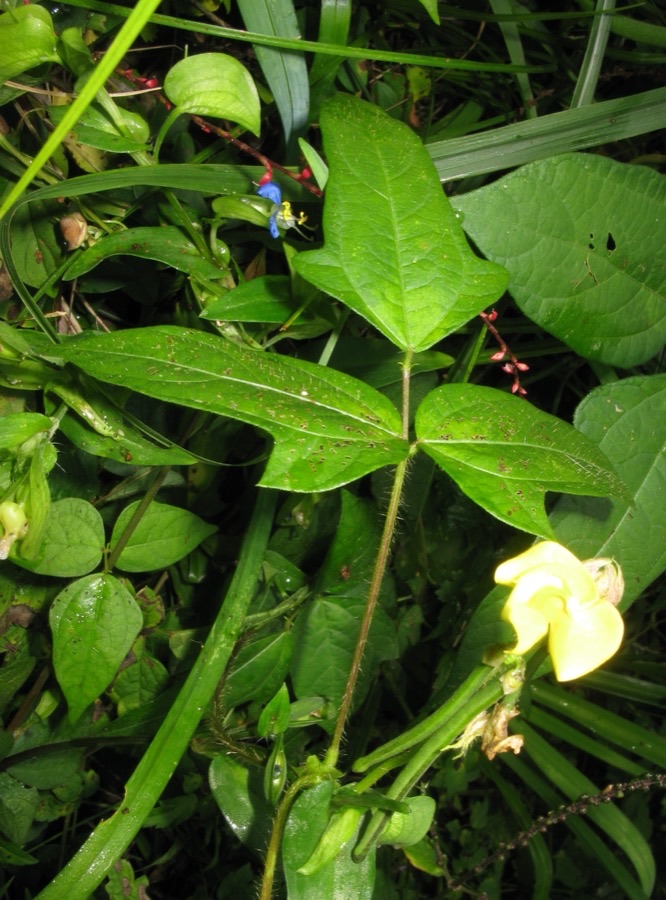
Photo: Qwert1234, CC BY-SA 4.0 (Wikimedia Commons)
Adzuki is a pulse sold on how it looks, which makes it unlike almost every other pulse in this library. Most of the crop goes into sweet red bean paste across China, Japan and Korea, and the buyers for that paste pay for a bright even red seed of uniform size with an unbroken skin. A cracked or dull or mixed-size lot is not a slightly cheaper lot; it is a different and much poorer market. China grows most of the world's crop, Japan's Hokkaido is the premium region, and Korea, Taiwan, the United States, Canada, New Zealand and Argentina all grow it commercially. For a grower who can handle a crop gently and grade it honestly, that appearance premium is real money that soil and rainfall cannot give you.
Growing Adzuki bean, Stage by Stage
- 1. Get the land ready — Well-drained ground with good moisture, worked to a decent seedbed.
- 2. Choose and sow the seed — Sound unbroken seed into warm soil, after the frost has gone.
- 3. Weed, water and feed — Weed early, keep it evenly moist at flowering, and feed very little.
- 4. Flowering and podding — Small yellow flowers that pollinate themselves, then narrow pods in clusters.
- 5. Watch for trouble — Root rot in wet ground, sucking bugs that mark the seed, and beetles in the store.
- 6. Harvest — Cut as the pods brown, and above all do not let the seed get too dry.
- 7. Clean, grade, store and sell — This is where the money is made, because the buyer is paying for a look.
Common Problems & Troubleshooting
If you see: A sample full of seeds with split or flaked skins, and a buyer offering a much lower grade.
It likely means: The crop was too dry when it was threshed, or the threshing was too hard. Adzuki skins crack easily and the market pays for them intact.
Do this: Harvest when most pods are brown rather than waiting until everything is bone dry.
If you see: Beans on the ground beneath the crop and a lighter harvest than the field looked like giving.
It likely means: It was left too long. The cultivated crop shatters far less than the wild plant it came from, but it has not lost the habit.
Do this: Walk the field daily once the pods start browning.
If you see: Plenty of pods that are flat, part-filled, or hold small shrivelled seed.
It likely means: Usually drought during flowering and pod filling, sometimes sucking bugs feeding on the developing seed.
Do this: Keep the soil evenly moist right through flowering and pod fill, which is the crop's most demanding period.
If you see: Plants yellowing from the base and dying, worst in the low parts of the field after rain.
It likely means: Waterlogging and the root rots that follow it. Adzuki is unusually intolerant of wet feet, even briefly.
Do this: Choose free-draining ground and avoid low spots that hold water.
If you see: Stored beans that have gone dull or brownish instead of staying bright red.
It likely means: They were stored in the light, or held too long, or dried in fierce sun. Colour is part of the price for this crop.
Do this: Store in the dark, in sealed opaque containers rather than clear ones on an open shelf.
If you see: Small round holes in stored beans, fine dust in the container, and small beetles moving in it.
It likely means: Seed beetles. They begin in the field and multiply in the store, and they ruin a crop whose whole value is appearance.
Do this: Sun the grain for a few hours before storing, which kills eggs on the surface.
Yield & Market Value
Growing the crop is only part of the job. The last part is knowing what a normal harvest looks like where you are, and knowing what your adzuki is worth before you agree a price with anybody.
Remember It This Way
If you forget every other page of this guide, keep these lines. They are the whole crop, in order, short enough to carry in your head.
- This bean is bought for how it looks. Handle it like that.
- Sow into warm soil. Cold wet soil rots the seed.
- It hates standing water, even briefly.
- It hates drought at flowering just as much.
- Do not feed it nitrogen. It makes its own.
- Watch the pods daily once they start browning.
- Cut in the early morning while the dew holds them shut.
- Do not let the seed get bone dry. Dry seed cracks.
- Thresh gently, and check the sample as you go.
- Grade hard. One bad handful lowers the whole lot.
Test Yourself: Identification
What does the plant look like?
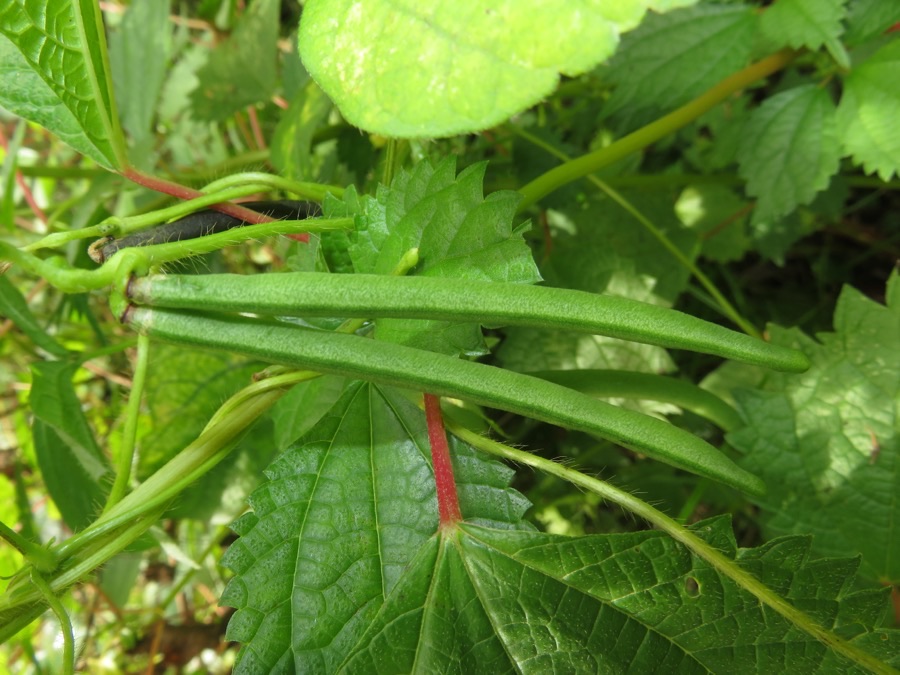
What do the pods look like while they are filling?
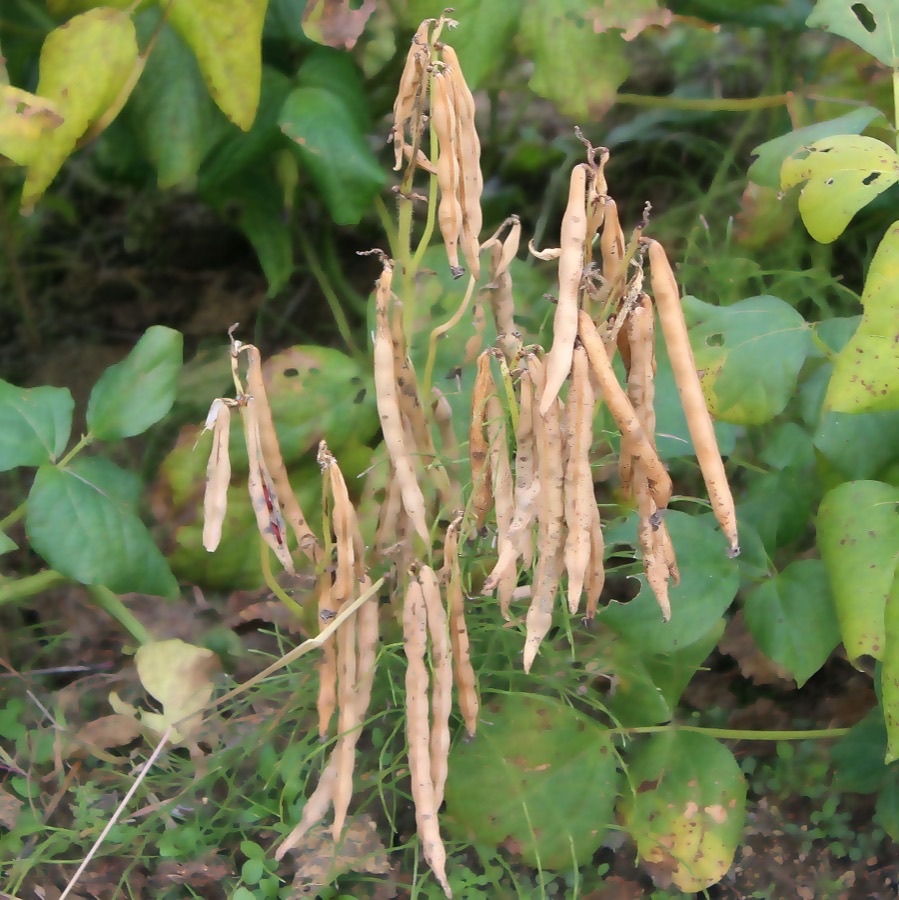
When should the crop be cut?
Honest Limits of This Guide
- Timings here are given by season and by the state of the crop rather than in named months, because adzuki is grown in both hemispheres. Count from your own last frost.
- Two of the photographs show Vigna angularis var. nipponensis, the wild form of this species, because usable pictures of the cultivated plant in flower and in green pod are not available under a licence this library can use. It is the same species and the leaves, flowers and pods are the same in shape; the wild form twines more, is smaller, and shatters far harder. The guide says so rather than passing them off as the crop.
- Variety advice is deliberately local. This crop responds to day length, so a variety moved between latitudes flowers at the wrong time, and which one suits a district is a question for a local supplier.
- Grading standards differ between markets and this guide does not print any. Ask your own buyer what seed size and what tolerance for split skins they work to, because that is what decides how you thresh.
- Airtight storage is given as the defence against seed beetles because it works without anything bought in. Chemical fumigation exists and is genuinely dangerous without training, so it is not described here.
- This guide names no chemical treatments. The grain is eaten, root rot is answered by drainage and rotation, and the losses that matter most in this crop happen between the field and the bag.
Sources
- GBIF Backbone Taxonomy species-match record for Vigna angularis (Willd.) Ohwi & H.Ohashi — Global Biodiversity Information Facility (GBIF), Copenhagen (source)
- EPPO Global Database — Vigna angularis (EPPO code PHSAN) — European and Mediterranean Plant Protection Organization (EPPO), Paris (source)
- FAO work on pulses and on post-harvest handling and grading of grain legumes, with FAOSTAT production data — Food and Agriculture Organization of the United Nations (FAO), Rome (source)
- Vigna angularis (adzuki bean) — CABI Compendium datasheet — CABI, Wallingford (source)
Last updated · How Laisha writes and checks its pages · Report a mistake
Go further with Laisha Smarter
US$10 a month · one price worldwide · cancel any time
- Your own crop calendar for this crop, stage by stage
- Pest and disease alerts with IRAC/FRAC-group spray plans
- Ask Laisha about your field — up to 1,000 questions a month
| Free | Smarter | |
|---|---|---|
| Grow guides, pest pages, articles | Read all | Read all |
| Ask Laisha | 5 a day | Up to 1,000 a month |
| Exam practice | The sample on each page | Every question, timed papers |
| Crop calendar and pest alerts | — | For your own fields |
| Calculators and tools | — | All |
| Uploads and reports | — | 100 a month, real files |