How to Grow Kodo millet
Paspalum scrobiculatum · Also called: Kodra, Kodon, Varagu, Arikelu, Harka, Ditch millet, Cow grass, Indian crown grass
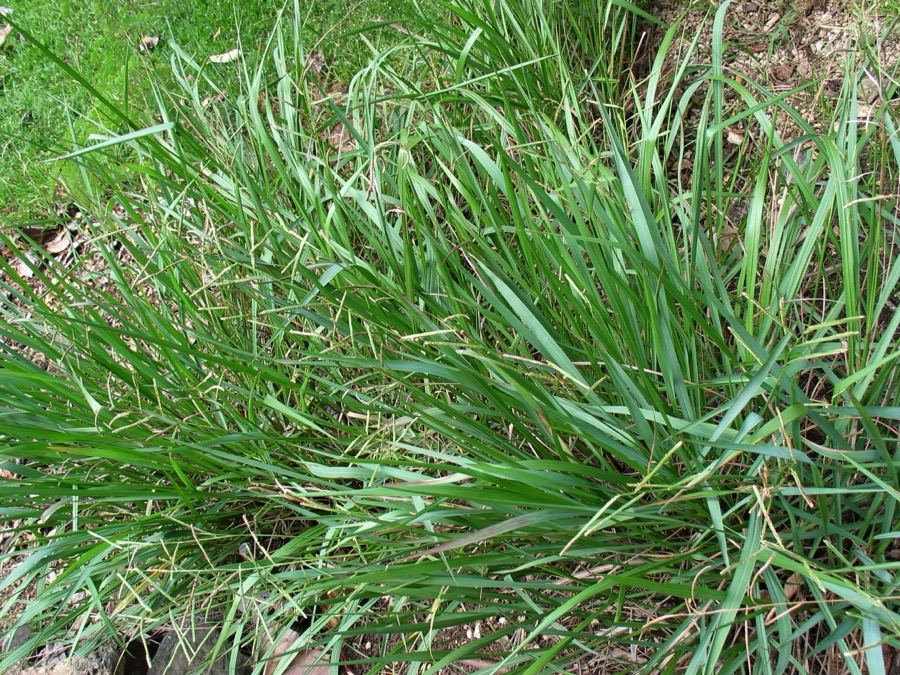
Photo: David Eickhoff from Pearl City, Hawaii, USA, CC BY 2.0 (Wikimedia Commons)
Kodo millet is one of the toughest grain crops there is. It will make a harvest on stony, shallow, poor ground in a bad year, it stands both drought and short spells of waterlogging, and it stores for years without insects touching it, which is more than wheat or rice can claim. For dryland farmers in central and southern India it has been a food of last resort for a very long time, and it is now being planted again for its own sake. Everything good about it is worth the space here. So is the one hard fact that goes with it: grain from this plant can be spoiled by a fungus that makes people ill, and avoiding that is not a matter of luck but of harvesting and storing the grain dry. A guide that praised this crop without saying so would be no use to anybody.
Growing Kodo millet, Stage by Stage
- 1. Get the land ready — Whatever ground you have, worked to a reasonable seedbed.
- 2. Sow the seed — Shallow, with the first rains, and be patient afterwards.
- 3. Weed, water and feed — Weed early. After that the crop mostly looks after itself.
- 4. Watch for trouble — Mostly it is healthy. Watch the heads, and watch the weather.
- 5. Harvest dry, and harvest on time — Rain on a ripe crop is not just a quality problem here.
- 6. Thresh, dry hard and keep it — Dry storage is the whole safety of this crop.
- 7. Sell it or eat it — A grain that stores for years lets you choose your moment.
Common Problems & Troubleshooting
If you see: Grain that has darkened, smells musty, or carries any visible mould, especially after a wet harvest.
It likely means: Fungus has grown on the grain. Kodo millet spoiled this way has made people and cattle seriously ill, and it is the one genuine hazard of this crop.
Do this: Do not eat it, do not sell it, and do not feed it to livestock.
If you see: A thin crop with weeds standing above it.
It likely means: It was not weeded early enough. Kodo is slower to get going than most millets, so weeds get a longer head start.
Do this: Clear the land thoroughly before sowing rather than planning to weed afterwards.
If you see: The crop flattened after wind or heavy rain, with heads lying on wet ground.
It likely means: Usually too much nitrogen, sometimes a storm. On this crop it matters more than on most, because grain on wet ground is where the harmful fungus starts.
Do this: Feed lightly, since this crop does not need or want a heavy nitrogen dose.
If you see: A patchy, thin stand from a field that was sown evenly.
It likely means: Usually sown too deep, or the seed was old, or the soil dried out after sowing.
Do this: Sow no more than two to three centimetres deep.
If you see: Heads stripped of grain, with birds lifting off the field as you approach.
It likely means: Birds. A small plot of ripening millet draws every bird in the district, as it does with every small-grained cereal.
Do this: Start scaring before the grain fills rather than after the birds have found the field.
If you see: A good crop of clean grain with no obvious buyer nearby.
It likely means: Small millets have a thinner trade than rice or wheat in many districts, though that has been changing as they are sold into health-food markets.
Do this: Find out before harvest which buyers and which mills handle small millets near you.
Yield & Market Value
Growing the crop is only part of the job. The last part is knowing what a normal harvest looks like where you are, and knowing what your kodo millet is worth before you agree a price with anybody.
Remember It This Way
If you forget every other page of this guide, keep these lines. They are the whole crop, in order, short enough to carry in your head.
- It grows where better grains fail. That is its whole job.
- Sow with the first rains so harvest falls in dry weather.
- Sow shallow. Two or three centimetres.
- It is slow to start. Weed at three weeks and again at six.
- Feed it lightly. A tall soft crop goes flat, and flat is dangerous here.
- Cut early rather than let rain fall on a ripe crop.
- Never mix rained-on grain into the good lot.
- Throw out any grain that has darkened or smells musty.
- Do not feed spoiled kodo to cattle either.
- Dry hard and it keeps for years. That is your freedom.
Test Yourself: Identification
What does the crop look like growing?
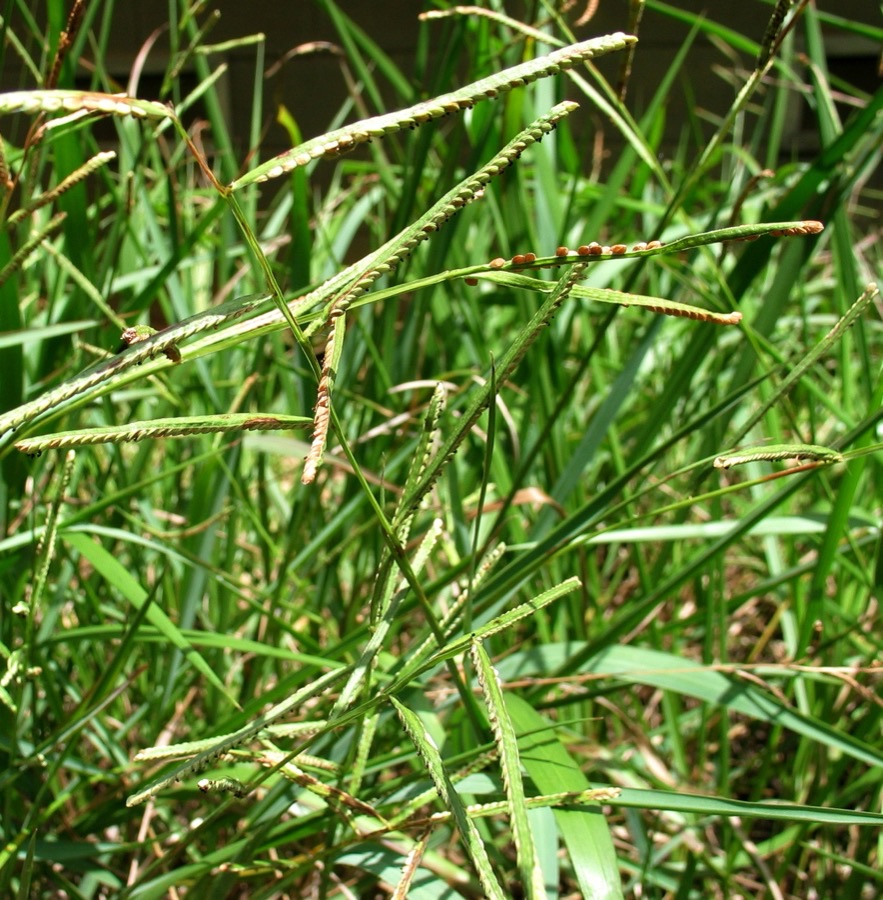
What does the seed head look like?
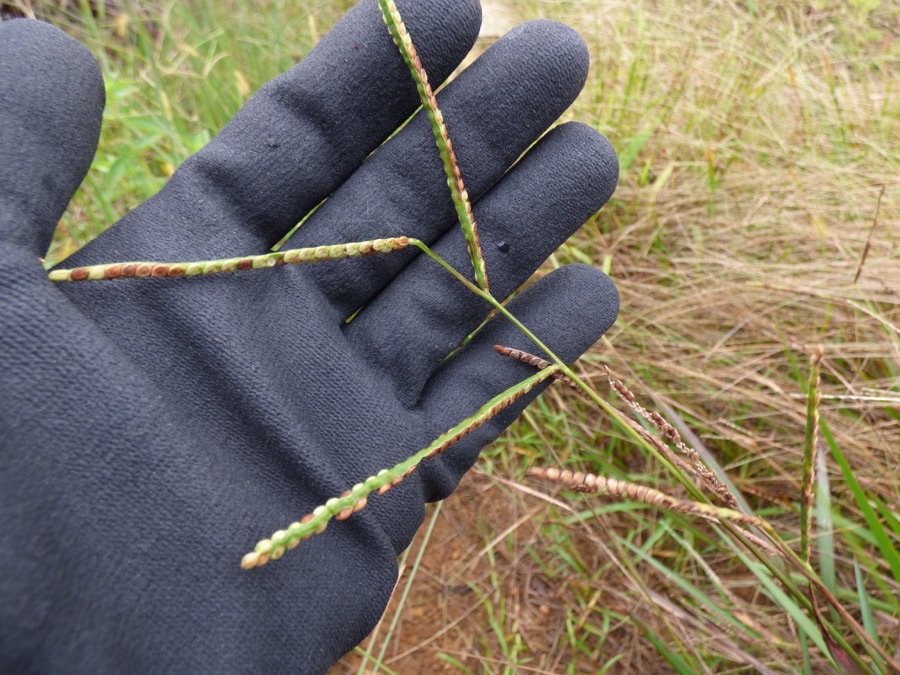
When is the crop ready to cut?
Honest Limits of This Guide
- Timings here are given by season and by the state of the crop rather than in named months, because kodo millet is sown with the local rains. Count from your own first good rain.
- The hazard from spoiled grain is stated plainly because it is real and documented, and because a guide that recommended this crop without mentioning it would be dishonest. This guide does not describe the fungus in detail, does not attempt to say what quantity would be harmful, and gives the only practical answer a farmer has: harvest dry, store dry, and throw out anything doubtful.
- The photographs show wild and naturalised stands of this species rather than an Indian kodo field, because usable pictures of a cultivated crop are not available under a licence this library can use. It is the same species, and the tufted habit and the finger-like seed heads are exactly what to look for in a sown field. A sown crop is far denser and more even than anything shown here.
- Variety advice is deliberately local and no varieties are named here. Bred types differ in days to maturity, which on this crop decides whether harvest falls in dry weather, and that makes local advice more valuable than usual.
- Yields here are for the poor dry land this crop is normally grown on, and are not comparable with a cereal grown on good irrigated ground.
- No chemical treatments are named here. The grain is eaten, the crop has few serious pests in any case, and what is permitted differs by country and by buyer.
Sources
- GBIF Backbone Taxonomy species-match record for Paspalum scrobiculatum L. — Global Biodiversity Information Facility (GBIF), Copenhagen (source)
- EPPO Global Database — Paspalum scrobiculatum (EPPO code PASSC) — European and Mediterranean Plant Protection Organization (EPPO), Paris (source)
- Paspalum scrobiculatum — CABI Compendium datasheet — CABI, Wallingford (source)
- Indian Council of Agricultural Research and All India Coordinated Research Project on Small Millets guidance on kodo millet cultivation — Indian Council of Agricultural Research (ICAR), New Delhi (source)
- FAO guidance on post-harvest handling, drying and storage of small-grain cereals — Food and Agriculture Organization of the United Nations (FAO), Rome (source)
Last updated · How Laisha writes and checks its pages · Report a mistake
Go further with Laisha Smarter
US$10 a month · one price worldwide · cancel any time
- Your own crop calendar for this crop, stage by stage
- Pest and disease alerts with IRAC/FRAC-group spray plans
- Ask Laisha about your field — up to 1,000 questions a month
| Free | Smarter | |
|---|---|---|
| Grow guides, pest pages, articles | Read all | Read all |
| Ask Laisha | 5 a day | Up to 1,000 a month |
| Exam practice | The sample on each page | Every question, timed papers |
| Crop calendar and pest alerts | — | For your own fields |
| Calculators and tools | — | All |
| Uploads and reports | — | 100 a month, real files |