Kusha
कुश
Desmostachya bipinnata (L.) Stapf
Poaceae · Desmostachya
Benefits & side effects
TRADITIONAL VIEW, WITH SAFETY LIMITS
What the texts say Kusha does
- Mutrala — diuretic
- Daha prashamana — relieves burning
- Raktastambhana — checks bleeding (haemostatic)
- Trishna nigrahana — relieves thirst
What the evidence says. Kusha is well documented in ritual and classical medicine; modern work is limited to test-tube, yeast and animal studies.
Side effects and limits
Kusha root has a long medicinal and ritual history and no recorded toxicity, though it has hardly been studied for safety. The rigid blades really do cut skin, which is the most common harm associated with the plant. Anyone pregnant, on medication or managing a diagnosed condition should speak to a doctor or a qualified practitioner first.
Avoid or ask first: No absolute contraindication for kusha root is recorded in the sources consulted, and this is stated on purpose.
A traditional classification, not a recommendation. The full safety record is below.
Stands in 4 groups
- Stanyajanana — Generating breast milk
- Mutravirechaniya — Promoting urine
- Viratarvadi — Urinary disease and Vata in the bladder
- Trina Panchamula — The five grass roots
A Samhita can only be read forwards, from the group to its members. This is the same list read backwards.
Photographs
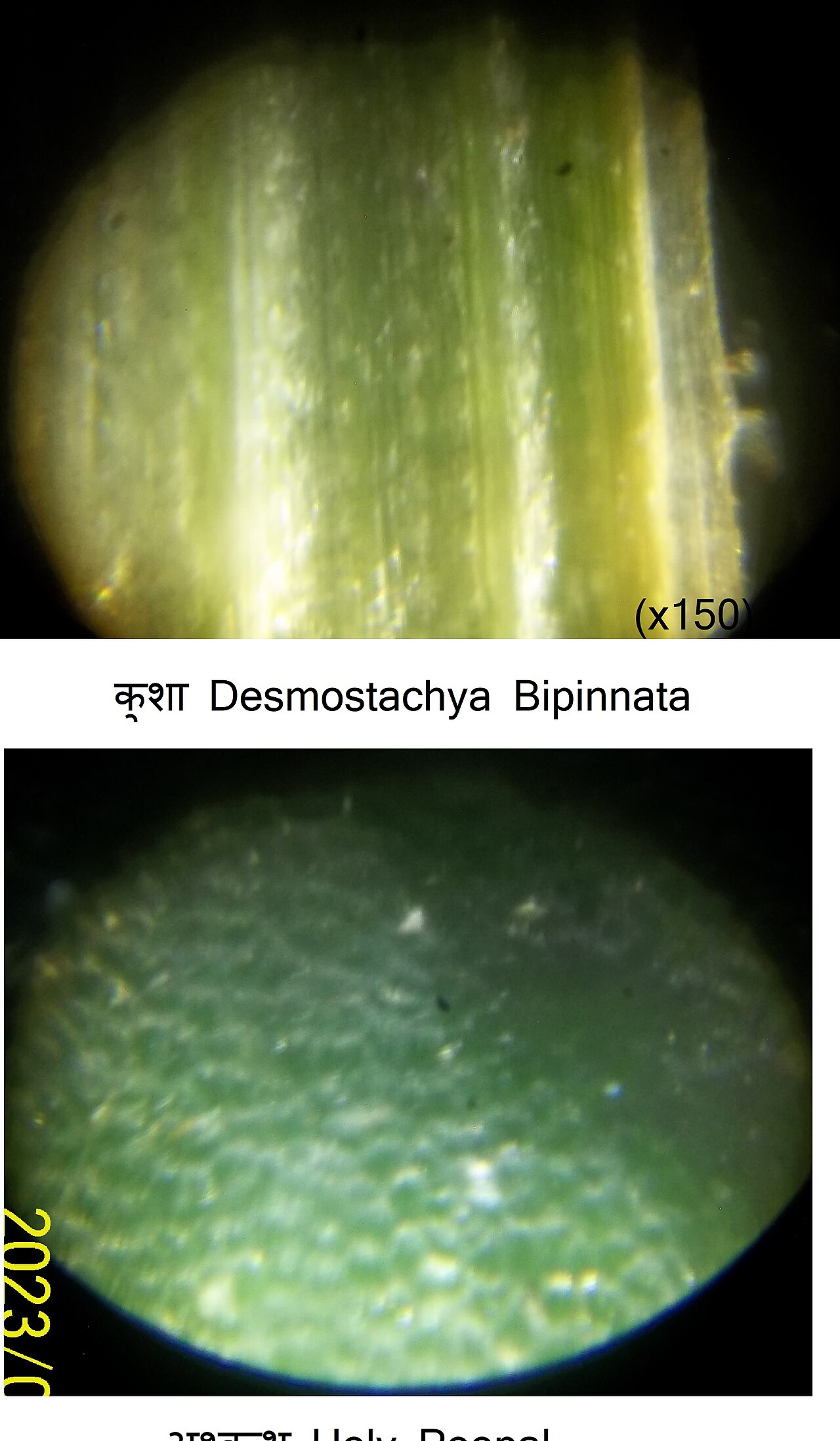
Photo: Puranastudy · CC BY-SA 4.0 · Wikimedia Commons

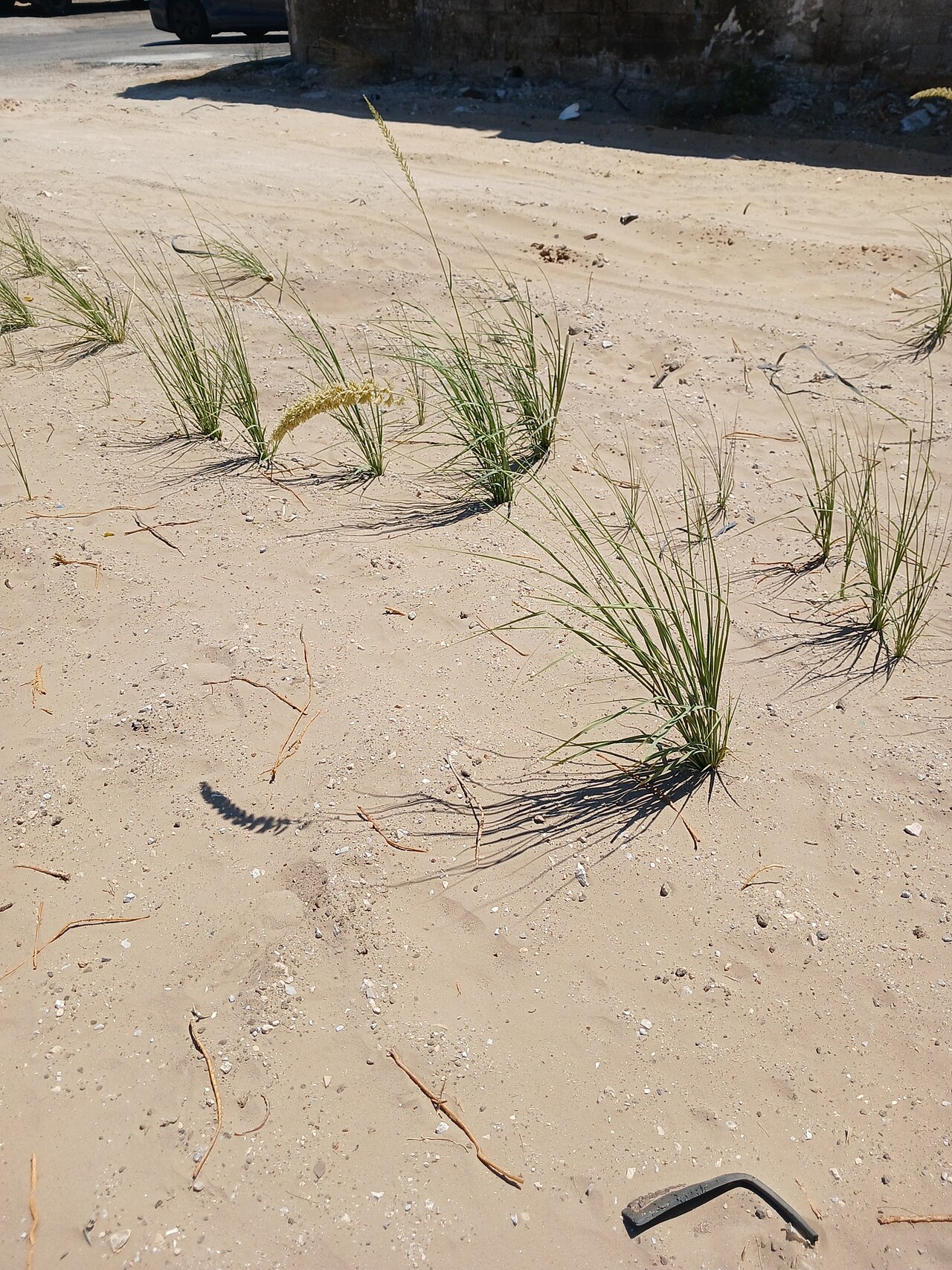
Photo: yelena_antipova · CC BY 4.0 · Wikimedia Commons

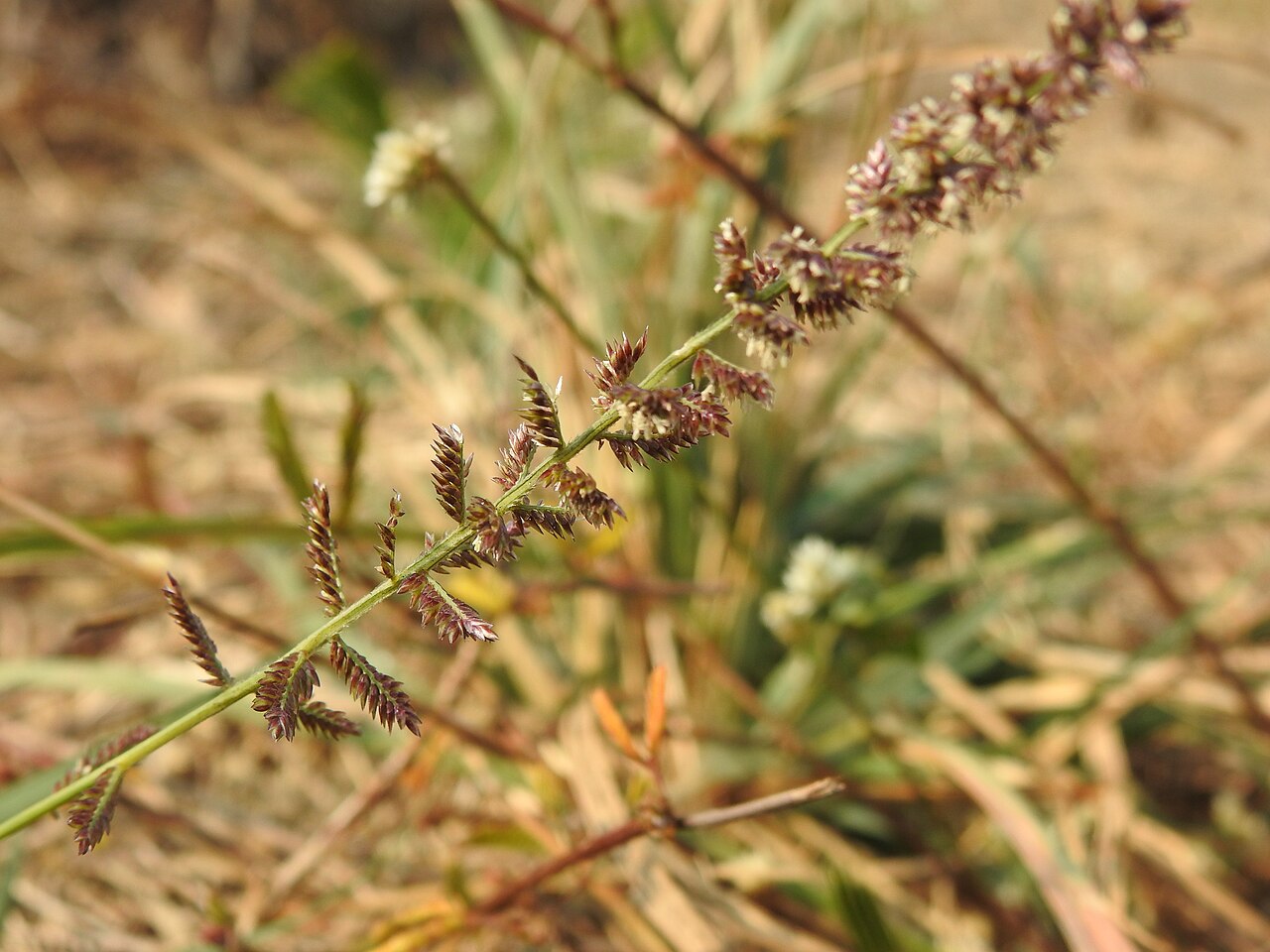
Photo: Shahid Nawaz Landge · CC BY-SA 4.0 · Wikimedia Commons

Matra and anupana
AS THE CLASSICAL TEXTS AND THE API PRESCRIBE
| Kwatha | 50–100 ml |
| Churna | 3–6 g |
| Anupana | Sheetajala |
| Kala | Adhobhakta |
Kusha is seldom prescribed alone; it is usually the first of the Trina Panchamula roots, a group Sushruta directs to be given with milk.
Reported from Sharangadhara Samhita and the Ayurvedic Pharmacopoeia of India. Laisha states what the texts prescribe; it does not recommend. No quantity here is adjusted for a particular person — not for agni, koshtha, bala, age, pregnancy, kidney or liver function, or anything already being taken.
Rasapanchaka
| Rasa | MadhuraKashaya |
| Guna | LaghuSnigdha |
| Virya | Sheeta |
| Vipaka | Madhura |
| Prabhava | No prabhava particular to kusha is recorded. It is the first-named grass in Sushruta's five-grass list, which the texts use in urinary difficulty and in bleeding and burning states. |
| Doshakarma | Pittakaphahara. |
Sweet and astringent, cooling, with a sweet post-digestive effect — the profile of the whole Trina Panchamula, and one reason the grasses are so easily lumped together.
Karma and part used
Kusha's urinary and lactation actions come from its two places in Charaka's lists of mahakashaya and from Sushruta's Viratarvadi gana for urinary stone and painful urination. They are the tradition's statements and are not offered as proven effects.
| Upayukta anga | Mula (the root) |
| Why it matters | The root is the medicinal part. The blades, woven into mats, rings and seats, are the ritual article, and they are what is most often offered for sale. |
Paryaya
Suchyagra, needle-tipped, and Kshurapatra, razor-leaved, both describe the hard, cutting blade, which is how kusha is told from softer grasses. Yajnabhushana, ornament of the sacrifice, reflects its central place in Vedic ritual. Darbha is deliberately not given as a synonym here.
Names, by language
| English | Sacred grass |
| Hindi | Kusha |
| Kannada | Darbhe hullu |
| Tamil | Darbhai pul |
| Telugu | Darbha gaddi |
| Malayalam | Darbha pullu |
| Marathi | Darbha |
| Gujarati | Darbh |
| Bengali | Kush |
| Odia | Kusa |
| Urdu | Kusha |
Classical references
Formulations it appears in
| Trina Panchamula Kwatha | Kusha root is the first of the five grass roots of this decoction. |
| Chandanasava | Named in the ingredient list of this fermented preparation. |
Adulterants and substitutes
Kusha and darbha are routinely supplied for each other, and kasha (Saccharum spontaneum), another of the five grasses, is also gathered under the name. Because ritual demand is for the blades, dried leaf bundles are sometimes sold as the drug when the texts call for the root. A formula that names both kusha and darbha and receives one grass twice is incomplete, however minor the difference may seem.
Identity
Kusha is Desmostachya bipinnata, the halfa or sacrificial grass: a tufted, deep-rooted perennial of dry, often saline ground, with long, rigid blades that taper to a cutting point and a narrow, stiff flowering spike. Imperata cylindrica, darbha, is a different grass. Both names are used loosely for each other, yet the classical lists name them separately, and Sushruta puts darbha in two groups where kusha is absent.
A WAY TO REMEMBER IT
Desmostachya is Greek desmos, a bond, and stachys, a spike. Bipinnata, for the twice-divided inflorescence. Kusha gives the Sanskrit kushala, meaning skilful - from the care needed to gather a grass whose blades cut the hand.
What the tradition holds
Kusha opens Sushruta's list of five grasses and is one of his Viratarvadi herbs for urinary stone; Charaka puts it among the grasses that increase breast milk and promote urine. In Hindu ritual it is the grass of seats, rings and offerings. These describe the tradition, not effects shown in people.
What the evidence says
| Status | Kusha is well documented in ritual and classical medicine; modern work is limited to test-tube, yeast and animal studies. |
| Suggested | An Indian pharmacopoeial monograph gives an accepted identity and quality standard for the root. Published laboratory work, such as an antioxidant study using whole-plant extract in vitro and in yeast, says nothing about effects in humans. Earlier studies summarised in that paper report coumarins such as scopoletin and umbelliferone, and flavonoids including kaempferol, quercetin and tricin. |
| Not established | No clinical study shows that kusha root benefits any condition, and the urinary and lactation uses rest only on the classical texts. |
| The honest gap | Most studies extract the whole plant or the aerial parts, while the classical article is the root, and few report where the grass came from — a real issue for a species that grows on saline and disturbed ground. |
Safety
Kusha root has a long medicinal and ritual history and no recorded toxicity, though it has hardly been studied for safety. The rigid blades really do cut skin, which is the most common harm associated with the plant. Anyone pregnant, on medication or managing a diagnosed condition should speak to a doctor or a qualified practitioner first.
| Contraindications | No absolute contraindication for kusha root is recorded in the sources consulted, and this is stated on purpose. |
| Interactions | No specific drug interaction is documented for kusha; no interaction study exists. Diuretics: kusha is classed as urine-promoting in Charaka, so combining it with prescribed diuretics should be discussed with a doctor. |
| Pregnancy and breastfeeding | Although Charaka counts kusha among milk-promoting grasses, its safety in pregnancy and breastfeeding has not been studied; ask a qualified practitioner first. |
Last updated · How Laisha writes and checks its pages · Report a mistake
Go further with Laisha Smarter
US$10 a month · one price worldwide · cancel any time
- Ask Laisha about any herb or formulation — up to 1,000 questions a month
- The full study tracks with practice questions
- Reports and exports as real files