Vacha
वचा
Acorus calamus L.
Acoraceae · Acorus
Benefits & side effects
TRADITIONAL VIEW, WITH SAFETY LIMITS
Hindi name: Bach
What the texts say Vacha does
- Medhya — supports intellect and memory
- Vamaka — emetic
- Deepana — kindles digestion (appetiser)
- Kaphaghna — pacifies kapha
- Shoolaprashamana — relieves colicky pain
What the evidence says. Traditional use is extensive and long recorded. Modern clinical evidence is limited.
Side effects and limits
- Nausea and vomiting — the tradition uses it as an emetic, so this is an expected action and not only a side effect
- Mouth and throat irritation
Avoid or ask first: Pregnancy and breastfeeding.; Use in children without a qualified practitioner, given the above.
A traditional classification, not a recommendation. The full safety record is below.
Stands in 9 groups
- Lekhaniya — Scraping and reducing
- Trptighna — Relieving cloying satiety
- Arshoghna — Countering haemorrhoids
- Asthapanopaga — Adjuvant to niruha basti
- Sheetaprashamana — Allaying cold
- Sanjnasthapana — Restoring consciousness
- Pippalyadi — Agni, Kapha, and the digestive disorders
- Vachadi — Ama, and the cleansing of breast milk
- Mustadi — Cleansing breast milk, Kapha, and the vagina
A Samhita can only be read forwards, from the group to its members. This is the same list read backwards.
Photographs
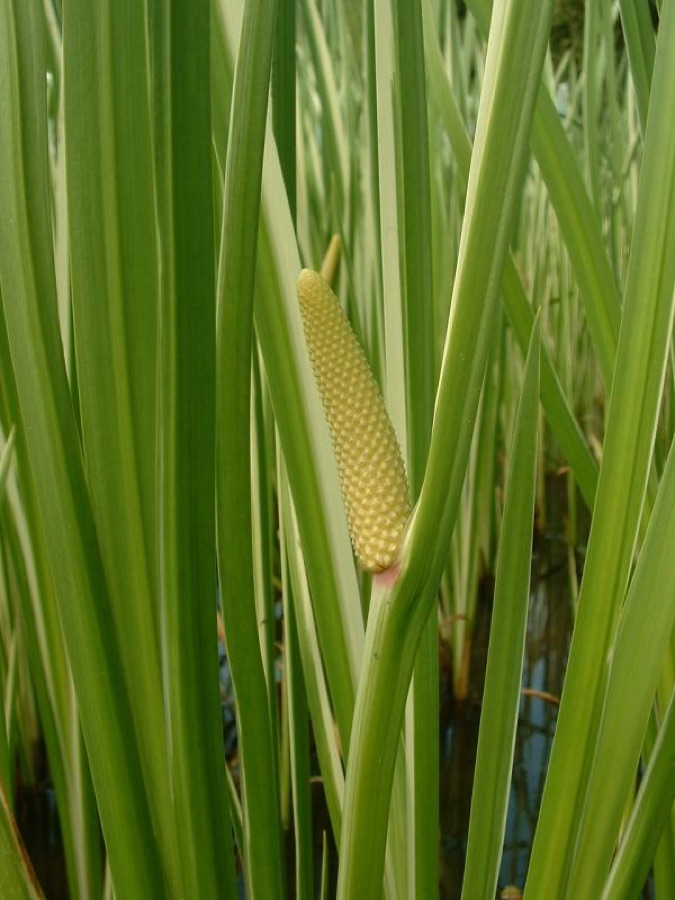
Photo: J.F. Gaffard, Autoreille, France · CC BY-SA 3.0 · Wikimedia Commons

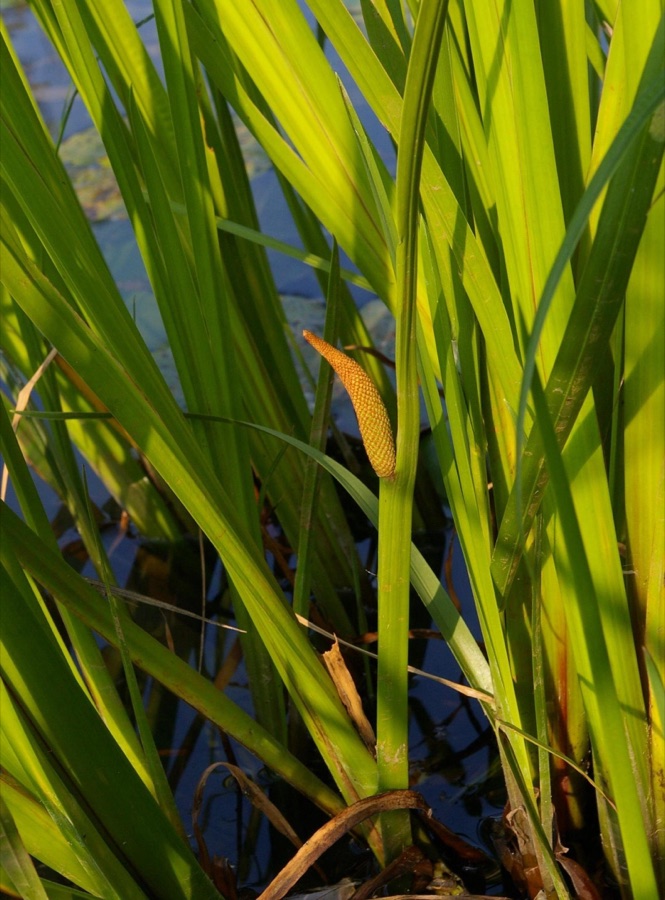
Photo: Christian Fischer · CC BY-SA 3.0 · Wikimedia Commons

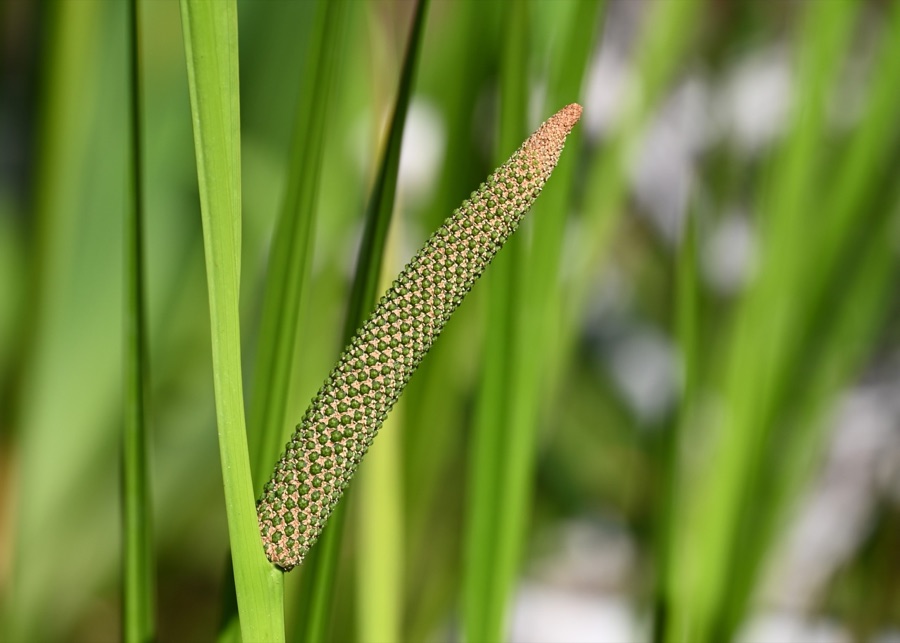
Photo: Krzysztof Ziarnek, Kenraiz · CC BY-SA 4.0 · Wikimedia Commons

Matra and anupana
AS THE CLASSICAL TEXTS AND THE API PRESCRIBE
| Churna | 125–500 mg |
| Anupana | Madhu · Ushnodaka |
| Kala | Adhobhakta |
Small matra and short courses: beta-asarone in the Indian variety is genotoxic, and it is barred as a food additive in the US.
Reported from Sharangadhara Samhita and the Ayurvedic Pharmacopoeia of India. Laisha states what the texts prescribe; it does not recommend. No quantity here is adjusted for a particular person — not for agni, koshtha, bala, age, pregnancy, kidney or liver function, or anything already being taken.
Pharmacopoeial standard
Ayurvedic Pharmacopoeia of India, Part I
| Marker | Beta-asarone |
| Assay | |
| Total ash | |
| Acid-insoluble ash | |
| Alcohol-soluble extractive | |
| Water-soluble extractive | |
| Foreign matter |
Beta-asarone is the marker and also the safety concern: it is genotoxic in animal studies, and the European authorities restrict it. The content varies sharply with the variety of Acorus.
These are the marker and the identity test for this dravya, and they are not a test Laisha has run on anything. Laisha does not state the numeric limits here: the assay, ash and extractive figures must be read from the current edition of the Ayurvedic Pharmacopoeia of India, because a wrong limit printed here is a number a laboratory would act on. The entries in this library that DO carry figures carry them because each one was checked.
Rasapanchaka
| Rasa | KatuTikta |
| Guna | LaghuTikshna |
| Virya | Ushna |
| Vipaka | Katu |
| Prabhava | The texts treat vacha as acting directly on speech and intellect, and the name itself — vacha, from speech — records that. |
| Doshakarma | Kaphavatahara. Being ushna and tikshna it increases pitta. |
Katu and tikta with ushna virya and katu vipaka — the profile the texts associate with its action on kapha and on the channels of the mind.
Karma and part used
These are the actions the classical texts record. They are statements about what the tradition holds, and this library does not restate them as findings about a human body.
| Upayukta anga | Kanda (the rhizome) |
| Why it matters | The rhizome is the dravya. It is the part that carries the aromatic oil and also the part that carries the compound named in the safety section below, so the two cannot be separated. |
Paryaya
Ugragandha means fierce-smelling and is the identifying feature: the rhizome is recognised by its smell before anything else. Shadgrantha, six-jointed, describes the segmented rhizome.
Names, by language
| English | Sweet flag |
| Sinhala | Wadakaha |
| Nepali | Bojho |
| Hindi | Bach |
| Kannada | Baje |
| Tamil | Vasambu |
| Telugu | Vasa |
| Malayalam | Vayambu |
| Marathi | Vekhand |
| Gujarati | Ghodavaj |
| Bengali | Boch |
| Punjabi | Bareh |
| Odia | Bacha |
| Urdu | Waj-e-turki |
Classical references
Rasa, guna, virya, vipaka and karma are recorded as the classical texts give them, with the text and section named so a student can open the book and check. Where an exact chapter and verse could not be confirmed, this library names the section rather than inventing a number.
Formulations it appears in
| Saraswata Churna | Vacha is among the principal dravya. |
| Vachadi Churna | A powder named for the dravya. |
| Panchagavya Ghrita | Among the dravya of the formulation. |
Adulterants and substitutes
Other Acorus material is traded under the same name, and this is not a cosmetic difference. The rhizome carries a compound called beta-asarone, and how much of it there is depends on the variety — the Indian and European material and the North American material differ markedly. A buyer who cannot say which variety they have cannot say what they are holding. Iris rhizome is also sold as vacha in some markets.
Identity
Matched live against the GBIF backbone on 28 September 2026 at 99 per cent confidence. Acoraceae is a family of one genus; the plant is not a true rush or reed despite the look of it.
A WAY TO REMEMBER IT
Acorus is akoron, from kore, the pupil of the eye — it was used for eye disorders. Calamus means a reed. Vacha means speech, for its use in disorders of it.
What the tradition holds
Vacha is described in the Bhavaprakasha Nighantu and is recorded in the classical literature as medhya and as acting on speech. That is what the tradition holds and where it is written down, not a finding about what the rhizome does in a body.
Constituents. The rhizome carries an essential oil whose main constituent in most Indian material is beta-asarone. The proportion varies greatly between varieties and this is the reason the entry above insists on knowing which one.
What the evidence says
| Status | Traditional use is extensive and long recorded. Modern clinical evidence is limited. |
| Suggested | No claim of established clinical effect is made here. The regulatory position on this dravya is unusual and is described in the safety section rather than here, because it is a restriction and not a permission. |
| Not established | There is not enough good clinical evidence to establish an effect on any named health condition. Long traditional use is not a substitute for that evidence, and this library does not present it as one. |
| The honest gap | Published work uses material whose asarone content is often unreported, which makes results difficult to read across studies. |
Safety
This is the most restricted dravya in this library and the restriction is the point. Beta-asarone in the rhizome has been assessed as genotoxic and carcinogenic in animal studies, and on that basis calamus is not permitted as a food additive in the United States, while European regulators set limits on beta-asarone in food and drink. The tradition uses vacha widely, including for children, and those two facts sit in tension. This entry does not resolve that tension and does not tell anyone what to do with it. It states it plainly so that a student meets it here rather than after. Anyone considering vacha should speak to a doctor or a qualified practitioner first, and this applies with particular force where a child is concerned.
| Side effects | Nausea and vomiting — the tradition uses it as an emetic, so this is an expected action and not only a side effect Mouth and throat irritation |
| Contraindications | Pregnancy and breastfeeding. Use in children without a qualified practitioner, given the above. |
| Interactions | Sedatives, benzodiazepines and alcohol — additive CNS depression. Beta-asarone in the Indian (tetraploid) variety is genotoxic and carcinogenic in animal studies, which is why Acorus calamus is prohibited as a food additive in the United States under 21 CFR 189.110 and restricted in the EU. Internal use is short-course and specialist. |
| Pregnancy and breastfeeding | Not to be used in pregnancy or breastfeeding. |
Growing it
| Climate | Temperate to subtropical, in standing water or marsh. |
| Soil | Waterlogged; grows in shallow water at pond and channel margins. |
| Planting | Grown from rhizome pieces set in shallow water. |
| Harvest | Rhizomes are lifted, cleaned, the rootlets removed, and dried. |
| What is not stated | This library has not verified region-specific spacing, variety and yield figures against a named agricultural authority for every growing country, and does not state them rather than guessing. |
Last updated · How Laisha writes and checks its pages · Report a mistake
Go further with Laisha Smarter
US$10 a month · one price worldwide · cancel any time
- Ask Laisha about any herb or formulation — up to 1,000 questions a month
- The full study tracks with practice questions
- Reports and exports as real files